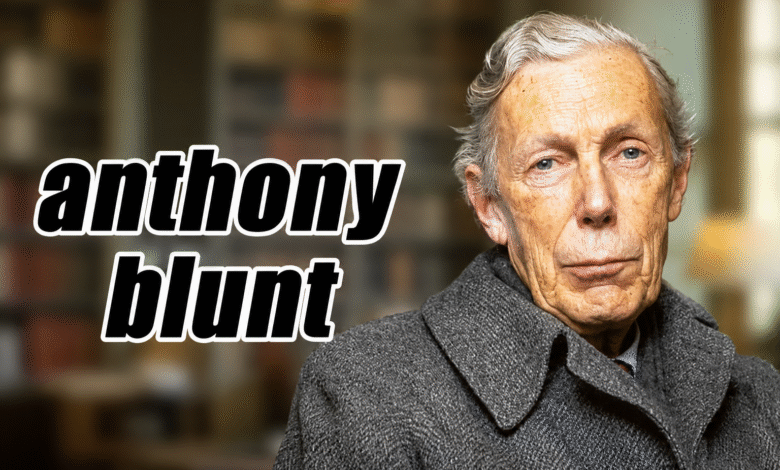
Anthony Blunt was one of the most intelligent and controversial figures in twentieth-century Britain. He built an exceptional career as an art historian, university professor, author and adviser to the Royal Collection. His academic work helped strengthen the study of European art in Britain, while his leadership contributed to the international reputation of the Courtauld Institute of Art.
However, Blunt also lived a secret life as a Soviet intelligence agent. During the Second World War, he passed classified British information to the Soviet Union while working inside MI5. His confession remained hidden for years before the British government publicly exposed him in 1979. His story is therefore remembered as both a remarkable scholarly success and a serious betrayal of public trust.
Quick Bio
| Category | Details |
|---|---|
| Full name | Anthony Frederick Blunt |
| Date of birth | 26 September 1907 |
| Birthplace | Bournemouth, England |
| Date of death | 26 March 1983 |
| Age at death | 75 years |
| Nationality | British |
| Profession | Art historian, professor, author, royal art adviser and intelligence officer |
| Education | Marlborough College and Trinity College, Cambridge |
| Father | Reverend Arthur Stanley Vaughan Blunt |
| Mother | Hilda Violet Blunt |
| Marital status | Never married |
| Children | None |
| Famous for | Art scholarship and Soviet espionage |
| Major workplace | Courtauld Institute of Art |
| Royal position | Surveyor of the King’s and Queen’s Pictures |
| Spy network | Cambridge spy network |
| Former honour | Knight Commander of the Royal Victorian Order |
Anthony Blunt’s Early Life
Anthony Frederick Blunt was born on 26 September 1907 in Bournemouth, England. He was the son of Reverend Arthur Stanley Vaughan Blunt, a Church of England clergyman, and Hilda Violet Blunt. He grew up in an educated family environment that valued language, culture and intellectual achievement.
Blunt spent part of his childhood in Paris because of his father’s work. His time in France introduced him to French culture, museums, paintings and architecture. This early exposure played an important role in developing his lifelong interest in European art, particularly French and Italian artistic traditions.
Education and Intellectual Development
Blunt attended Marlborough College before entering Trinity College, Cambridge, in 1926. He studied modern languages and graduated with first-class honours. His ability to understand French language and culture later supported his academic research into European art and architecture.
During his time at Cambridge, Blunt joined the Cambridge Apostles, a private intellectual discussion society. The political and social atmosphere of the 1930s influenced many young academics, including Blunt. He became interested in left-wing political ideas while building relationships with people who were later connected to Soviet intelligence.
Beginning of His Academic Career
Anthony Blunt began his professional career in education and art history after completing his studies at Cambridge. He became a fellow of Trinity College and started teaching and conducting research. His early academic interests focused on Renaissance art, French classicism and Italian artistic theory.
He later joined the Courtauld Institute of Art as a lecturer. His detailed knowledge, teaching ability and scholarly research helped him gain recognition as an important art historian. He became particularly respected for his understanding of European painting, sculpture and architecture.
Career at the Courtauld Institute
In 1947, Blunt became director of the Courtauld Institute of Art and Professor of the History of Art at the University of London. He remained director until 1974. During his leadership, the Courtauld developed into one of the world’s most respected institutions for art-historical teaching and research.
Blunt influenced generations of students, researchers and museum professionals. His teaching helped establish art history as a serious academic discipline in Britain. Although his later espionage scandal damaged his public reputation, his contribution to the Courtauld Institute remained an important part of his professional legacy.
Anthony Blunt’s Royal Career
In 1945, Anthony Blunt was appointed Surveyor of the King’s Pictures under King George VI. After Queen Elizabeth II became monarch in 1952, his position became Surveyor of the Queen’s Pictures. This was one of the most prestigious roles in the British art world.
His responsibilities included studying, cataloguing, preserving and advising on paintings and drawings in the Royal Collection. He remained Surveyor until 1972 and continued working as an adviser afterward. In 1956, he was appointed a Knight Commander of the Royal Victorian Order for his services to the Royal Household.
Work with British Intelligence
During the Second World War, Blunt served in British intelligence and worked for MI5. His official position gave him access to sensitive and classified information concerning security operations, military intelligence and wartime affairs.
While serving Britain, Blunt secretly passed information to Soviet intelligence. His activities placed him among a group of Cambridge-educated Soviet agents commonly known as the Cambridge Five. The group is generally associated with Blunt, Kim Philby, Guy Burgess, Donald Maclean and John Cairncross.
Confession and Public Exposure
In 1964, British intelligence officials questioned Blunt after receiving information about his past activities. He confessed that he had worked for Soviet intelligence. In return for cooperation and information, he received immunity from prosecution.
His confession remained secret for approximately fifteen years. On 15 November 1979, Prime Minister Margaret Thatcher confirmed in the House of Commons that Anthony Blunt had admitted being a Soviet agent. The announcement caused a major national scandal because of his respected academic status and close connection to the Royal Household.
Loss of Honour and Reputation
After Blunt’s identity as a Soviet spy became public, his knighthood was annulled. He also lost several academic honours and professional associations. His public image changed from that of a distinguished scholar to that of a symbol of betrayal within the British establishment.
The scandal raised important questions about secrecy, privilege and accountability. Many people believed that his social position had protected him from immediate public exposure. Others argued that intelligence officials kept his confession secret because they wanted information about a wider Soviet spy network.
Major Books and Publications
Anthony Blunt wrote several influential books on European art and architecture. His major works included Artistic Theory in Italy, 1450–1600, Art and Architecture in France, 1500–1700, Nicolas Poussin: A Critical Catalogue, Sicilian Baroque and Borromini.
His publications explored Renaissance theory, French classical art, Baroque architecture and the work of artists such as Nicolas Poussin. His book Art and Architecture in France, 1500–1700 became especially important for students and researchers studying French artistic history.
Source of Income and Professional Associations
Anthony Blunt earned his income through academic employment, teaching, research, writing and his work for the Royal Household. His professional earnings came from his university positions, directorship at the Courtauld Institute, book royalties, lectures and scholarly publications.
He was not known as a business owner or company founder. His career was connected mainly with Trinity College, the Courtauld Institute, the University of London, MI5 and the Royal Household. No reliable public information confirms a specific salary or personal net worth.
Personal Life
Anthony Blunt never married and had no children. He kept most details of his personal life private, especially because of the strict legal and social environment in Britain during his lifetime.
His private circumstances should be treated separately from his espionage activities. His decision to work for the Soviet Union was connected primarily to his political beliefs, Cambridge relationships and the ideological tensions of the 1930s.
Final Years and Death
Following his public exposure in 1979, Anthony Blunt withdrew from much of public life. He continued some academic work, but his remaining years were dominated by criticism, media attention and the collapse of his public standing.
Anthony Blunt died in London on 26 March 1983 at the age of 75. His death came only a few years after the government publicly revealed his role as a Soviet intelligence agent.
Recent Developments
Public interest in Anthony Blunt continued long after his death. In January 2025, the UK National Archives released additional MI5 files concerning Blunt and other figures connected to the Cambridge spy network.
The records provided further information about his confession, the government’s handling of the case and the delay in informing Queen Elizabeth II. These developments renewed historical discussion about Blunt’s activities and the secrecy surrounding his case.
Conclusion
Anthony Blunt remains one of the most fascinating and divided figures in British history. His positive achievements included major contributions to art education, the Courtauld Institute and the preservation of the Royal Collection. His books also influenced the study of European art for many years.
At the same time, his secret work for Soviet intelligence represented a serious betrayal of Britain. His life demonstrates how professional brilliance and personal wrongdoing can exist within the same individual. Anthony Blunt is therefore remembered as both a gifted art historian and a disgraced member of the Cambridge spy network.
Frequently Asked Questions
Who was Anthony Blunt?
Anthony Blunt was a British art historian, professor, author, royal art adviser and former MI5 officer who secretly worked for Soviet intelligence.
What was Anthony Blunt famous for?
He was famous for his influential work in art history and for being identified as a member of the Cambridge spy network.
When was Anthony Blunt born?
Anthony Blunt was born on 26 September 1907 in Bournemouth, England.
Was Anthony Blunt married?
No, Anthony Blunt never married and had no children.
Where did Anthony Blunt study?
He attended Marlborough College and later studied modern languages at Trinity College, Cambridge.
What was Anthony Blunt’s role in the Royal Household?
He served as Surveyor of the King’s Pictures and later Surveyor of the Queen’s Pictures.
When did Anthony Blunt confess to spying?
He confessed to British intelligence officials in 1964 after being offered immunity from prosecution.
When was Anthony Blunt publicly exposed?
Prime Minister Margaret Thatcher publicly confirmed his confession on 15 November 1979.
Was Anthony Blunt’s knighthood removed?
Yes, his appointment as a Knight Commander of the Royal Victorian Order was annulled after his espionage became public.
When did Anthony Blunt die?
Anthony Blunt died in London on 26 March 1983 at the age of 75.