marcelo bielsa – The Visionary Genius Who Transformed Modern Football Yet Divided Opinions

Introduction
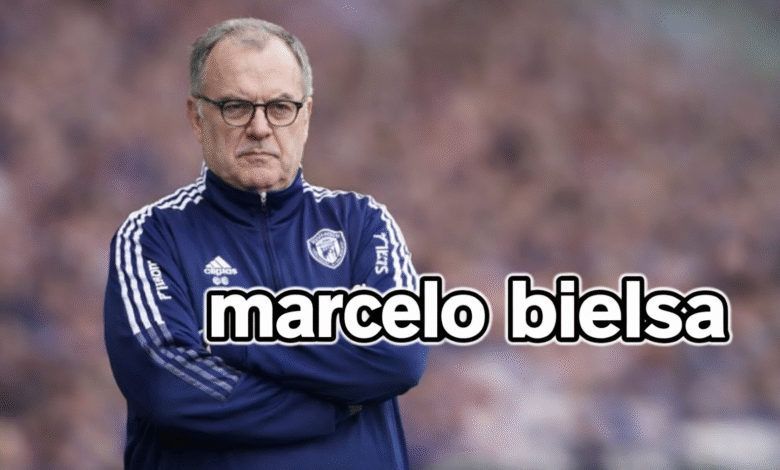
Marcelo Bielsa is widely regarded as one of the most influential and intellectually respected football managers in modern history. Known for his relentless work ethic, tactical innovation, and uncompromising standards, Bielsa has shaped the philosophy of countless coaches across the globe.
At the same time, his demanding methods and intense personality have created both admiration and criticism. While many players and managers consider him a genius, others describe his approach as extreme and exhausting. This powerful contrast makes Marcelo Bielsa one of the most fascinating figures in world football.
Quick Bio
| Field | Details |
|---|---|
| Full Name | Marcelo Alberto Bielsa Caldera |
| Date of Birth | 21 July 1955 |
| Age | 70 (as of 2026) |
| Birthplace | Rosario, Santa Fe, Argentina |
| Nationality | Argentine |
| Profession | Football Manager, Former Player |
| Playing Position | Defender |
| Current Role | Head Coach of Uruguay National Team |
| Height | Approx. 1.84 m (6 ft 0 in) |
| Parents | Rafael Pedro Bielsa (Father), Lidia Caldera (Mother) |
| Siblings | Rafael Bielsa, María Eugenia Bielsa |
Early Life and Background
Marcelo Bielsa was born on 21 July 1955 in Rosario, Argentina. He grew up in a well-educated and disciplined family environment, which helped shape his intellectual curiosity and structured personality from an early age.
His father was a lawyer and his mother was a teacher, and education played an important role in his upbringing. Rosario, a city known for producing football legends, became the foundation of Bielsa’s deep love for the sport.
Education and Football Beginnings
Bielsa joined the youth academy of Newell’s Old Boys as a teenager. His early exposure to structured training and disciplined coaching shaped his analytical understanding of football.
He later studied physical education, which significantly influenced his scientific and tactical approach to training. This academic background helped him develop detailed preparation methods that would later define his managerial career.
Playing Career
Marcelo Bielsa played as a defender during the 1970s. He represented Newell’s Old Boys, Instituto, and Argentino de Rosario during his professional career.
However, his playing career was relatively short. At the age of 25, he retired from professional football to focus entirely on coaching. Even though he did not achieve major success as a player, his understanding of the game continued to grow.
Start of Coaching Career
Bielsa began his coaching journey within the youth system of Newell’s Old Boys. He worked extensively in scouting and youth development, traveling across Argentina to identify promising talent.
His attention to detail quickly gained recognition. In 1990, he was appointed as head coach of Newell’s Old Boys’ senior team, marking the beginning of a remarkable managerial career.
Club Career Overview
Newell’s Old Boys
At Newell’s Old Boys, Bielsa won Argentine league titles and guided the team to the Copa Libertadores final in 1992. His attacking philosophy and high-intensity pressing style began attracting international attention.
His success established him as one of Argentina’s most promising tactical minds. The club later named its stadium after him in recognition of his contributions.
Vélez Sarsfield and International Clubs
Bielsa later managed Vélez Sarsfield, where he won another league title. His reputation continued to grow as a tactical innovator.
He also coached clubs in Mexico and Spain, including Atlas, América, and Espanyol. Although his time at some clubs was short, his influence remained strong.
Athletic Bilbao and Marseille
At Athletic Bilbao, Bielsa led the team to the UEFA Europa League final in 2012. His dynamic and aggressive playing style impressed football analysts worldwide.
He later managed Marseille in France, where his tactical intensity again attracted admiration, though internal challenges limited long-term success.
Leeds United
One of Bielsa’s most celebrated achievements came at Leeds United. He guided the club back to the English Premier League after a 16-year absence.
His impact on English football was enormous. Leeds played energetic, attacking football, and Bielsa earned widespread respect across the Premier League.
International Career
Argentina National Team
Bielsa managed Argentina from 1998 to 2004. He led the national team during the 2002 FIFA World Cup and won the Olympic gold medal in 2004 with Argentina’s under-23 squad.
Although the 2002 World Cup ended in disappointment, his tactical approach was praised for its organization and intensity.
Chile National Team
Between 2007 and 2011, Bielsa transformed Chilean football. He helped develop what became known as Chile’s “Golden Generation.”
His attacking system redefined Chile’s playing identity and left a long-lasting legacy in South American football.
Uruguay National Team
In 2023, Bielsa became head coach of Uruguay. His mission includes building a competitive squad for international tournaments and World Cup qualification.
His appointment reflects the continued global respect for his expertise and experience.
Coaching Philosophy and Tactical Influence
Marcelo Bielsa is known for high pressing, positional discipline, and aggressive attacking movement. His teams typically play with intensity and constant forward pressure.
Many elite managers, including Pep Guardiola and Mauricio Pochettino, have openly praised Bielsa’s influence. His tactical concepts are studied in coaching academies around the world.
Personal Life
Marcelo Bielsa is known for being private and disciplined. Public records confirm details about his parents and siblings, but he maintains a low profile regarding his personal affairs.
He is respected for his humility and simple lifestyle. Despite global recognition, he is often described as modest and deeply committed to football above all else.
Latest News and Career Status
As of 2026, Marcelo Bielsa continues his work with the Uruguay national team. His focus remains on competitive international performance and squad development.
Although his intense style sometimes sparks debate, his position in world football remains strong and respected.
Legacy: Genius and Controversy
Marcelo Bielsa’s legacy is extraordinary. He is considered one of the most influential tactical minds in modern football history.
However, his strict demands and uncompromising methods have also generated criticism. This blend of brilliance and intensity defines his complex yet powerful legacy.
Conclusion
Marcelo Bielsa stands as a visionary football mastermind whose ideas reshaped the tactical landscape of the sport. His career proves that influence can be as important as trophies.
While his approach has sometimes divided opinion, there is no doubt that his impact on modern football is profound and lasting.
Frequently Asked Questions (FAQ)
What is Marcelo Bielsa’s full name?
His full name is Marcelo Alberto Bielsa Caldera.
When was Marcelo Bielsa born?
He was born on 21 July 1955 in Rosario, Argentina.
What teams has Marcelo Bielsa managed?
He has managed Newell’s Old Boys, Vélez Sarsfield, Athletic Bilbao, Marseille, Leeds United, Argentina, Chile, and Uruguay among others.
What is Marcelo Bielsa famous for?
He is famous for tactical innovation, high-intensity pressing football, and influencing modern coaching philosophy.
What is Marcelo Bielsa’s nationality?
He is Argentine.
Is Marcelo Bielsa still coaching?
Yes, as of 2026 he is managing the Uruguay national team.