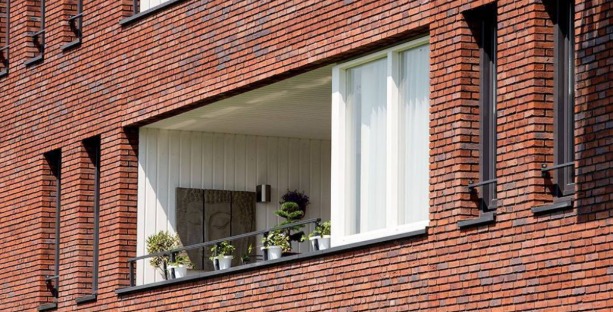
When you want the timeless look of brick without the weight and cost of full masonry brick slip cladding offers a powerful alternative. This ensures your building benefits from the classic look of brickwork without compromising on ease of installation. Whether you are updating a home exterior, renovating a commercial space, or working on a new build, this system helps you achieve a strong visual impact with less structural demand.
In today’s construction world, property owners look for materials that combine beauty, durability, and performance. Brick slip cladding meets these needs with confidence. It improves curb appeal, protects external walls from harsh weather and adds value to your property. More importantly, it delivers long lasting results when installed correctly using tested systems and quality materials.
What Is Brick Slip Cladding and Why Is It So Popular?
Brick slip cladding uses thin slices of real brick or brick-effect tiles that are fixed to external walls. These slips are usually around 15 to 25 millimetres thick, which makes them much lighter than traditional bricks. Once installed and pointed, they look almost identical to full brickwork. Most people cannot tell the difference from a distance.
Homeowners and developers choose this because it offers flexibility and design freedom. You can install it over concrete, timber frame, steel frame, and insulated backing systems. It works well for extensions, garden walls, feature facades, and complete external renovations. With many colours, textures, and finishes available, it allows you to match existing brickwork or create a bold new look.
Key Benefits of Brick Slip Cladding for External Walls
Brick slip cladding does more than improve appearance. It supports performance, efficiency, and long term protection for buildings. When installed using high quality systems, it creates a durable outer layer that withstands the British climate with ease.
Here are the main benefits property owners value most:
- Lightweight system that reduces structural load
- Faster installation compared to traditional brickwork
- Excellent weather resistance against rain and frost
- Compatible with external wall insulation systems
- Low maintenance and easy to clean
- Wide range of colours and textures to suit any design
Because the system is lighter and easier to handle, installers can complete projects more efficiently.
Types of Brick Slip Cladding Systems
Choosing the right system depends on your building type, insulation needs, and design goals. Modern brick slip cladding solutions offer several installation methods, each designed for strength and reliability.
Mechanically Fixed Systems
This method improves alignment and speeds up the installation process. Because the slips lock into a track system, the finished wall remains secure even in challenging weather conditions. This makes mechanically fixed systems ideal for larger commercial buildings or high rise projects where safety and stability are essential.
Adhesive Fixed Systems
Adhesive systems use specially formulated bonding materials to fix brick slips directly onto prepared surfaces. When applied correctly, these adhesives create a strong and durable bond that lasts for many years. This approach works well for smaller residential projects, garden walls, and feature areas.
Insulated Brick Slip Systems
Insulated systems combine brick slip cladding with external wall insulation panels. The insulation boards are fixed to the wall first, and the brick slips attach to the outer layer. This setup improves thermal performance while maintaining a traditional brick finish. By reducing heat loss, insulated systems help lower energy bills and support energy efficiency targets.
Pre Panelled Brick Slip Systems
Pre-panelled systems come with brick slips factory-fitted onto boards. Installers fix these panels directly to the building, which reduces on-site labour and speeds up construction. These systems provide consistent spacing and pointing lines because they are assembled in controlled conditions. They suit projects where time efficiency and uniform appearance are top priorities.
Where Brick Slip Cladding Works Best
Brick slip cladding suits a wide range of applications across residential and commercial sectors. It is not limited to new builds, which makes it a flexible solution for many types of projects. For homeowners, it enhances house extensions, garage conversions, and garden offices. It also upgrades tired render or damaged brick facades without major structural changes.
Commercial property owners use it for shop fronts, office buildings, schools, and apartment developments where visual appeal and durability matter equally. Because the system is lighter than full brickwork, it works well on upper floors and structures where traditional bricks would require additional support.
Installation Process and Best Practice
Correct installation plays a key role in achieving long lasting results. While it may look simple once complete, it requires careful planning and skilled workmanship. The process begins with assessing the existing wall structure. Installers check that the surface is stable, level and suitable for the chosen system.
Brick slips are then positioned with consistent spacing to create clean mortar joints. After fixing the slips installers apply mortar or pointing compound to fill the joints. Once cured the wall delivers the authentic appearance of traditional brickwork. Following manufacturer guidance and using approved components ensures compliance with safety and building standards.
How to Choose the Right Brick Slip Cladding for Your Project
Selecting the right involves more than picking a colour. You should consider building regulations, exposure to weather, insulation requirements, and long term maintenance. Start by identifying whether your project needs additional thermal insulation. Do you prefer a classic red brick look, a modern grey tone or a rustic reclaimed finish?
It also helps to work with experienced suppliers and installers who understand external cladding systems. Professional advice ensures you choose products tested for durability, fire safety and structural performance. This approach protects your investment and supports a smooth installation process.
Maintaining Brick Slip Cladding for Long Term Performance
One of the key strengths is its low-maintenance nature. Unlike painted render or timber cladding, it does not require frequent repainting or sealing. The surface resists fading and stands up well to normal weather conditions. This way, you can easily notice if there are some minor problems, like small cracks in the mortar joints.
Cleaning may require washing with water to remove dirt and debris. However, it is essential to avoid using chemicals, which may damage the surface and mortar. It may last for decades if properly installed and maintained. The durability of this roofing material, combined with its beauty, makes it an ideal option for residential and commercial structures.
Conclusion
Brick slip cladding offers the perfect balance between traditional beauty and modern performance. It delivers the authentic look of brick while remaining lightweight, versatile and energy efficient. From home extensions to large commercial buildings, it adapts to many project types with ease.
When you choose the right system and follow best installation practices, you gain a durable exterior that protects and enhances your property for years to come. For anyone seeking style, strength and practicality, it stands out as a smart investment.