The Complete Guide to Implementing Critical Asset Monitoring in High-Risk US Industrial Environments

Industrial facilities across the United States face mounting pressure to maintain operational continuity while managing increasingly complex equipment portfolios. Power generation plants, chemical processing facilities, manufacturing operations, and oil refineries depend on critical assets that can fail without warning, leading to costly downtime, safety incidents, and regulatory violations. The traditional approach of scheduled maintenance and reactive repairs no longer provides sufficient protection against these operational risks.
Modern industrial environments operate with tighter margins and higher performance expectations than ever before. A single compressor failure in a petrochemical plant can cascade into weeks of downtime. An undetected bearing degradation in a power turbine can result in catastrophic equipment damage and emergency shutdowns. These scenarios highlight why proactive asset health management has become essential for maintaining competitive operations and ensuring worker safety.
The shift toward predictive maintenance strategies reflects this operational reality. Rather than waiting for equipment to fail or relying solely on time-based maintenance schedules, industrial operators are implementing systems that continuously assess asset condition and performance. This approach allows maintenance teams to address developing issues before they escalate into serious problems, reducing both planned and unplanned downtime while optimizing maintenance resource allocation.
Understanding Critical Asset Monitoring Fundamentals
Critical asset monitoring represents a systematic approach to tracking the health and performance of equipment that directly impacts production, safety, or regulatory compliance. Unlike basic condition monitoring, which may focus on individual parameters, a comprehensive critical asset monitoring solution provides integrated visibility across multiple asset types and operational contexts. This Critical Asset Monitoring Solution overview demonstrates how modern systems combine real-time data collection, advanced analytics, and centralized reporting to create actionable intelligence for maintenance and operations teams.
The foundation of effective asset monitoring rests on understanding which equipment truly qualifies as critical within a specific operational context. Critical assets typically share common characteristics: their failure would cause significant production losses, create safety hazards, result in environmental incidents, or trigger regulatory violations. In a chemical processing plant, this might include reactors, distillation columns, and safety systems. In a power generation facility, critical assets often encompass turbines, generators, transformers, and cooling systems.
Modern monitoring systems collect data from multiple sources to build comprehensive asset profiles. Vibration sensors detect mechanical issues like bearing wear, misalignment, and imbalance. Temperature measurements identify thermal problems that could indicate electrical faults or lubrication failures. Pressure and flow sensors reveal process-related issues that might stress equipment beyond design limits. Oil analysis provides insights into internal component condition and contamination levels.
Real-Time Data Collection and Processing
Effective monitoring requires continuous data collection rather than periodic sampling. Real-time systems capture asset condition changes as they develop, enabling early intervention before problems become critical. This continuous approach proves especially important for rotating equipment, where bearing failures or shaft misalignments can develop rapidly under certain operating conditions.
Data processing capabilities determine how quickly monitoring systems can identify developing issues and alert maintenance teams. Advanced systems apply signal processing algorithms to filter noise, identify patterns, and establish trending baselines for each monitored asset. This processing capability allows the system to distinguish between normal operational variations and genuine condition changes that require attention.
Integration with Existing Plant Systems
Critical asset monitoring systems must integrate seamlessly with existing plant infrastructure to provide maximum value. This integration typically involves connections to distributed control systems, maintenance management software, and enterprise resource planning platforms. Effective integration ensures that asset condition data reaches the appropriate personnel through established workflows rather than creating additional administrative burdens.
The integration process also enables correlation between asset condition and operational parameters. When monitoring systems can access production data, they provide context for condition changes and help maintenance teams understand whether issues stem from equipment degradation or operational factors like increased throughput or changed process conditions.
Risk Assessment and Asset Prioritization Strategies
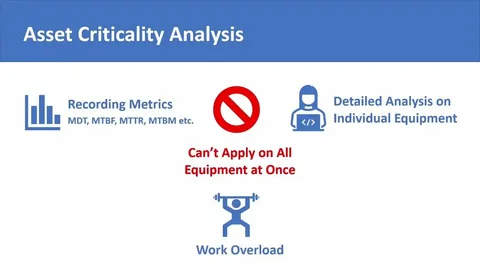
Successful implementation begins with comprehensive risk assessment to identify which assets require monitoring and determine appropriate monitoring intensity levels. This assessment process evaluates potential failure consequences across multiple dimensions: production impact, safety implications, environmental risks, and maintenance costs. Assets with higher risk scores receive more intensive monitoring coverage, while lower-risk equipment may require only basic condition tracking.
Risk assessment methodologies typically consider both failure probability and consequence severity. High-speed rotating equipment like centrifugal compressors may have moderate failure probability but severe consequences, warranting comprehensive vibration and temperature monitoring. Static equipment like heat exchangers might have lower failure probability but still require monitoring if failure would cause significant production disruption.
The assessment process also accounts for maintenance history and equipment age. Assets with frequent failure history or those approaching end-of-life require enhanced monitoring regardless of their theoretical reliability ratings. Similarly, equipment operating in harsh environments or under variable load conditions may need more intensive monitoring than similar assets in stable operating conditions.
Consequence-Based Monitoring Strategies
Different consequence types require tailored monitoring approaches. Safety-critical assets demand monitoring systems with rapid response capabilities and multiple redundant sensors to ensure reliable fault detection. Production-critical equipment may benefit from comprehensive monitoring that tracks both primary failure modes and secondary indicators that could predict future problems.
Environmental consequence considerations often drive monitoring requirements for equipment handling hazardous materials or operating near sensitive areas. These assets typically require leak detection capabilities alongside traditional condition monitoring parameters. Regulatory requirements may also mandate specific monitoring approaches for certain asset categories, particularly in industries like nuclear power or chemical processing.
Maintenance Resource Optimization
Asset prioritization directly impacts maintenance resource allocation and scheduling strategies. Critical assets monitored through advanced systems can often extend maintenance intervals safely, freeing up resources for less predictable equipment. This optimization becomes particularly valuable in facilities with limited maintenance personnel or constrained shutdown windows.
Monitoring data also supports more effective maintenance planning by identifying optimal intervention timing. Rather than performing maintenance based on calendar schedules, teams can time interventions based on actual asset condition and projected degradation rates. This approach reduces both maintenance costs and operational disruptions while improving overall equipment reliability.
Technology Selection and Deployment Considerations
Technology selection for critical asset monitoring depends heavily on asset types, facility environment, and operational requirements. Wireless sensor networks offer deployment flexibility and reduced installation costs, making them suitable for retrofitting existing facilities. Wired systems may provide better reliability and data security for the most critical applications, particularly in environments with electromagnetic interference or security concerns.
Sensor technology choices impact both monitoring effectiveness and system costs. Accelerometers and velocity sensors excel at detecting mechanical faults in rotating equipment. Ultrasonic sensors can identify electrical discharge and bearing lubrication issues. Thermal imaging systems provide non-contact temperature monitoring for electrical equipment and process vessels. The optimal sensor mix depends on specific failure modes and operating conditions for each monitored asset.
Data infrastructure requirements scale significantly with system size and complexity. Small facilities may operate effectively with local data storage and basic analytics capabilities. Larger operations often require centralized data management systems with advanced processing capabilities and enterprise-level integration. Cloud-based solutions offer scalability advantages but may face security or latency constraints in certain applications.
Installation and Commissioning Challenges
Successful deployment requires careful planning to minimize disruption to ongoing operations. Sensor installation often requires equipment shutdowns or process modifications, making installation timing critical. Temporary monitoring solutions can provide continuity during installation periods for the most critical assets.
Commissioning processes establish baseline operating parameters and verify system functionality across all monitored assets. This phase typically requires several weeks of operation to capture normal operational variations and tune alert thresholds appropriately. Inadequate commissioning can result in excessive false alarms or missed fault conditions, undermining system effectiveness.
Training and Change Management
Effective monitoring system deployment requires comprehensive training programs for operations and maintenance personnel. Training must cover both technical system operation and interpretation of monitoring data within operational contexts. Maintenance technicians need to understand how monitoring information relates to traditional diagnostic techniques and maintenance practices.
Change management considerations extend beyond technical training to encompass workflow modifications and responsibility assignments. Monitoring systems often shift maintenance approaches from reactive to predictive, requiring adjustments to work planning, inventory management, and resource allocation processes. Organizations that address these change management aspects typically achieve better adoption rates and monitoring program success.
Data Analysis and Predictive Maintenance Integration
Raw monitoring data provides limited value without effective analysis and interpretation capabilities. Modern critical asset monitoring solutions incorporate advanced analytics that identify patterns, predict failure progression, and recommend intervention strategies. Machine learning algorithms can detect subtle condition changes that might escape traditional analysis methods, particularly for complex equipment with multiple interacting failure modes.
Trend analysis forms the foundation of predictive maintenance programs. By tracking asset condition parameters over time, maintenance teams can identify degradation rates and project when intervention will become necessary. This predictive capability enables proactive maintenance scheduling that aligns with production requirements and resource availability.
Pattern recognition capabilities help identify recurring issues and root cause factors that contribute to asset degradation. When monitoring systems track multiple assets of similar types, they can identify common failure modes and contributing factors across the asset population. This information supports both individual asset management and fleet-level reliability improvements.
Alert Management and Response Protocols
Effective alert management balances responsiveness with operational practicality. Systems must generate timely notifications for developing issues while avoiding alert fatigue from excessive false alarms. Sophisticated monitoring platforms use multiple alert levels and escalation procedures to ensure appropriate responses to different condition changes.
Response protocols define specific actions for different alert types and severity levels. Minor condition changes might trigger increased monitoring frequency or enhanced inspection procedures. More serious alerts could initiate emergency maintenance procedures or production modifications to reduce equipment stress. Clear protocols ensure consistent responses and prevent overlooked conditions from escalating into failures.
Performance Tracking and Continuous Improvement
Monitoring system effectiveness requires ongoing performance evaluation and optimization. Key performance indicators typically include prediction accuracy, false alarm rates, and maintenance cost reductions. Regular analysis of these metrics identifies opportunities for threshold adjustments, sensor additions, or analysis algorithm improvements.
Continuous improvement processes also incorporate feedback from maintenance activities and failure investigations. When monitored equipment does experience failures, post-incident analysis can reveal whether monitoring systems provided adequate warning and whether response procedures were appropriate. This feedback loop helps refine monitoring strategies and improve future performance.
Compliance and Safety Integration Requirements
Industrial facilities operating in regulated environments must ensure that monitoring systems support compliance requirements while enhancing safety performance. Occupational Safety and Health Administration regulations for process safety management require systematic approaches to equipment integrity management, making comprehensive monitoring programs essential for compliance demonstration.
Safety-critical systems often require monitoring approaches that exceed basic condition assessment requirements. Redundant sensors, independent monitoring channels, and fail-safe alert mechanisms help ensure reliable fault detection for equipment whose failure could endanger personnel or surrounding communities. Documentation requirements for safety-critical monitoring typically include sensor calibration records, alert response logs, and system performance verification data.
Environmental compliance considerations may drive specific monitoring requirements for emissions control equipment, containment systems, and waste handling apparatus. Monitoring systems must demonstrate equipment effectiveness and provide early warning of potential environmental releases. Integration with environmental management systems ensures that condition data supports both maintenance decisions and regulatory reporting requirements.
Documentation and Audit Trail Management
Regulatory compliance requires comprehensive documentation of monitoring activities, maintenance decisions, and system performance. Automated data logging capabilities ensure complete records of asset conditions and alert responses. Audit trail functionality tracks system configuration changes, user actions, and data modifications to support regulatory inspections and compliance verification.
Reporting capabilities must align with regulatory requirements and internal quality management systems. Standardized reports demonstrate monitoring system coverage, performance trends, and maintenance effectiveness. Custom reporting functionality allows facilities to address specific regulatory requirements or internal performance metrics without manual data compilation.
Implementation Timeline and Resource Planning
Successful critical asset monitoring implementation requires careful project planning and resource allocation across multiple phases. Initial planning phases typically require several months to complete risk assessments, technology selection, and system design activities. Implementation timelines vary significantly based on facility size, asset complexity, and integration requirements, but most comprehensive programs require twelve to eighteen months from planning initiation to full operational status.
Resource requirements extend beyond initial capital investment to include ongoing operational support, maintenance, and system administration. Personnel requirements typically include dedicated system administrators, trained maintenance technicians, and engineering support for advanced analysis activities. Organizations often underestimate these ongoing resource needs, leading to implementation difficulties or suboptimal system performance.
Phased implementation approaches can help manage resource requirements and demonstrate value before full system deployment. Initial phases might focus on the highest-risk assets or specific equipment types where monitoring benefits are most apparent. Successful early phases build organizational confidence and provide operational experience that improves subsequent implementation phases.
Budget Planning and Cost Justification
Comprehensive budget planning accounts for both initial implementation costs and ongoing operational expenses. Initial costs include hardware procurement, software licensing, installation services, and training programs. Ongoing costs encompass software maintenance, sensor replacement, system administration, and periodic calibration activities.
Cost justification typically focuses on avoided downtime costs, maintenance efficiency improvements, and extended equipment life. Quantifying these benefits requires historical data on equipment failures, maintenance costs, and production losses. Conservative benefit estimates help ensure realistic expectations and sustainable program funding throughout the implementation period.
Vendor Selection and Partnership Strategies
Vendor selection significantly impacts implementation success and long-term program sustainability. Evaluation criteria should emphasize technical capabilities, integration experience, and ongoing support quality rather than focusing solely on initial costs. Vendors with extensive experience in similar industrial environments typically provide more effective implementation support and realistic timeline estimates.
Partnership approaches that include ongoing support and system optimization services often provide better long-term value than traditional purchase arrangements. These partnerships align vendor incentives with monitoring system performance and help ensure continued system effectiveness as operational requirements evolve.
Measuring Success and Long-Term Optimization
Monitoring program success requires clear metrics and regular performance evaluation against established baselines. Primary success indicators typically include reduced unplanned downtime, improved maintenance efficiency, and enhanced equipment reliability. Secondary metrics might encompass safety performance improvements, regulatory compliance enhancements, and operational cost reductions.
Long-term optimization involves continuous refinement of monitoring strategies based on operational experience and changing requirements. Asset criticality rankings may shift due to production changes, regulatory updates, or equipment modifications. Monitoring systems must adapt to these changes while maintaining effectiveness for existing assets and requirements.
Technology evolution also drives ongoing optimization opportunities. Advances in sensor technology, data analytics, and integration capabilities can enhance monitoring effectiveness or reduce operational costs. Successful programs maintain awareness of technology developments and incorporate beneficial improvements through planned upgrade cycles.
Return on Investment Tracking
ROI tracking requires systematic documentation of monitoring program costs and quantifiable benefits. Cost tracking should encompass all program-related expenses including implementation, operation, and ongoing optimization activities. Benefit quantification focuses on measurable improvements in maintenance costs, equipment availability, and operational efficiency.
Accurate ROI calculation often requires several years of operational data to capture typical equipment failure cycles and maintenance patterns. Short-term evaluations may not reflect long-term program benefits, particularly for equipment with extended operating cycles or infrequent maintenance requirements.
Conclusion
Critical asset monitoring has evolved from a specialized maintenance tool into an essential operational capability for high-risk industrial environments. Successful implementation requires systematic risk assessment, appropriate technology selection, comprehensive planning, and ongoing optimization efforts. Organizations that approach monitoring programs as integrated operational improvements rather than simple technology deployments typically achieve better results and sustainable program value.
The complexity of modern industrial operations demands proactive asset management approaches that can identify and address developing issues before they impact production, safety, or compliance. Comprehensive monitoring solutions provide the visibility and analytical capabilities necessary to support these proactive strategies while optimizing maintenance resource allocation and reducing operational risks.
Future developments in sensor technology, data analytics, and system integration will continue expanding monitoring capabilities and improving program effectiveness. Organizations that establish strong monitoring program foundations today will be better positioned to incorporate these advances and maintain competitive operational performance in increasingly demanding industrial environments.