Introduction
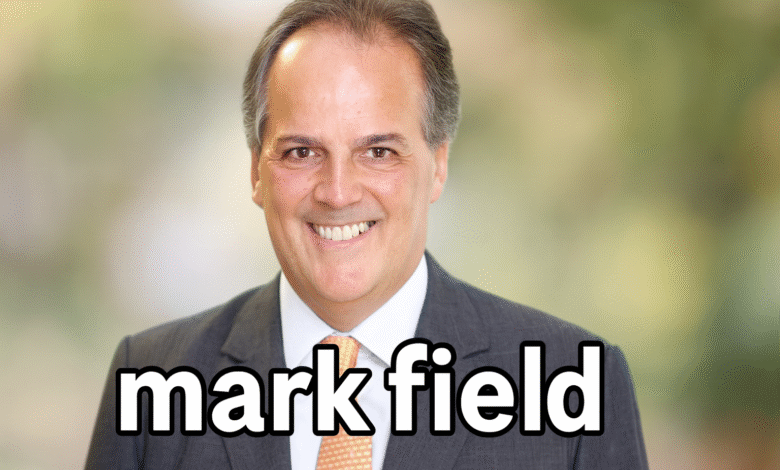
Mark Field is a well-known British public figure whose career reflects both remarkable achievements and difficult moments. His long journey from a law graduate to a senior political leader showcases persistence, intellect, and determination, but also carries episodes that sparked national debate. This comprehensive biography explores Mark Field’s early life, education, political career, professional background, and the legacy he leaves behind. Written in clear, human-friendly language, this article highlights both positive accomplishments and challenges, ensuring a balanced and useful profile.
Quick Bio
| Field | Details |
|---|---|
| Full Name | Mark Christopher Field |
| Date of Birth | 6 October 1964 |
| Birthplace | Hanover, West Germany |
| Nationality | British |
| Education | Reading School; St Edmund Hall, Oxford (Law) |
| Career Start | Corporate Solicitor |
| Major Role | Member of Parliament (2001–2019) |
| Ministerial Role | Minister of State for Asia and the Pacific (2017–2019) |
| Family | Married; Two children |
| Profession | Politician, Lawyer, Business Chairman |
Early Life and Educational Foundation
Mark Field was born on 6 October 1964 in Hanover, West Germany, where his father served in the British military. Growing up in a disciplined environment shaped his character from an early age. His family’s background exposed him to diverse cultural experiences, contributing to the analytical thinking and adaptability that later defined his political identity. These early surroundings played a significant role in developing his interest in public service and governance.
His formal education began at Reading School, a well-respected grammar institution in England. Here, Mark Field excelled academically, demonstrating a strong command of subjects such as history and English. His intellectual growth during this period laid the groundwork for his future studies at one of the United Kingdom’s most prestigious universities.
He went on to attend St Edmund Hall, Oxford, where he studied law. His graduation in 1987 marked the beginning of a career entrenched in legal knowledge, public duty, and strategic decision-making. Oxford University not only honed his academic expertise but also strengthened his ambition to pursue a career that influenced public affairs.
Beginning of a Professional Career
After completing his legal training at the College of Law in Chester, Mark Field qualified as a solicitor in 1990. He started his career in corporate law, working in highly respected firms in London. These experiences exposed him to complex business environments, financial regulations, and corporate governance—skills that became invaluable during his political work.
In 1994, he founded Kellyfield Consulting, a legal recruitment firm. Under his leadership, the company operated successfully until his transition into politics. Managing a business allowed him to build strong organizational skills, financial insight, and leadership qualities, all of which shaped his public career. His early corporate journey demonstrated his ability to transform academic knowledge into real-world influence.
Entry into Politics and Parliamentary Success
Mark Field entered national politics with determination. His breakthrough came in 2001 when he was elected as the Member of Parliament for the Cities of London and Westminster. This prestigious constituency placed him at the heart of the world’s most significant financial district, demanding strong leadership and deep understanding of economic matters.
During his years as MP, Mark Field served in several notable roles. He held opposition positions such as Shadow Minister for London, Shadow Financial Secretary to the Treasury, and Shadow Minister for Culture, Media and Sport. These roles allowed him to contribute to national debates on finance, economic policy, arts, and metropolitan affairs.
His political career further advanced when he became a member of the Intelligence and Security Committee in 2010. This prestigious appointment involved oversight of the UK’s intelligence agencies, demonstrating the trust placed in him at high levels of government. His service here reflected both responsibility and national significance.
Ministerial Responsibilities and Global Engagement
A major milestone in Mark Field’s public life arrived in 2017, when he was appointed Minister of State for Asia and the Pacific at the Foreign and Commonwealth Office. This powerful role placed him at the forefront of diplomatic relations, trade discussions, and international security matters involving a vast region.
In this capacity, he represented the United Kingdom in global negotiations and official visits, promoting bilateral ties with nations across Asia and the Pacific. His work demanded strategic thinking and strong diplomatic communication. He also briefly handled responsibilities for the Middle East and North Africa, expanding his international influence.
His tenure as minister showcased his ability to manage complex foreign-policy challenges and collaborate with international partners. It was a period of both prestige and significant responsibility.
Challenges, Controversy, and Public Reaction
Despite his long record of accomplishment, Mark Field encountered controversy in 2019 when he physically removed a protester during a public event. The incident drew intense media attention and public criticism. While some argued he acted instinctively in a tense situation, others viewed his response as excessive. This moment became a defining negative chapter in his political career.
Following the public reaction and internal review, he was suspended from his ministerial role. Months later, he announced his decision not to stand for re-election in the 2019 general election. This marked the end of his 18-year parliamentary career.
Life After Parliament and Business Roles
After leaving public office, Mark Field transitioned back into the private sector. In 2020, he became Non-Executive Chairman of Capital International Bank, applying his political, legal, and financial expertise to corporate leadership. He also took on roles in multiple companies as a director, contributing to organizational governance and strategy.
In addition to business involvement, he continued writing and commentating on political and economic matters, sharing insights based on his extensive government experience.
Legacy and Public Impact
Mark Field’s legacy is a blend of notable achievements and significant challenges. On the positive side, he served one of the UK’s most important constituencies for nearly two decades, held respected ministerial roles, and contributed to international diplomacy. His background in law, business, and policy gave him a broad perspective that shaped decision-making at high levels.
However, his career is also remembered for the 2019 protester incident, which influenced his departure from politics. This mixture of success and controversy defines his public story—illustrating how leadership positions come with both influence and scrutiny.
Despite the complexities, Mark Field remains a significant figure in modern British political history, known for his strong intellect, strategic thinking, and long-standing service.
Conclusion
Mark Field’s journey reflects ambition, dedication, and resilience. From his early life in Germany to his education at Oxford, from corporate law to international diplomacy, he has experienced a career filled with major accomplishments and visible challenges. His story offers valuable lessons about leadership, responsibility, and public service. Whether viewed through his successes or criticisms, Mark Field remains an influential figure with a lasting impact on British politics.
FAQ
1. Who is Mark Field?
Mark Field is a British former politician, lawyer, and business leader who served as the MP for Cities of London and Westminster from 2001 to 2019.
2. What was Mark Field’s major ministerial role?
He served as Minister of State for Asia and the Pacific from 2017 to 2019.
3. Where was Mark Field born?
He was born in Hanover, West Germany.
4. What is his educational background?
He studied law at St Edmund Hall, Oxford, after attending Reading School.
5. What did Mark Field do after politics?
He transitioned to business leadership roles, including serving as Chairman of Capital International Bank.