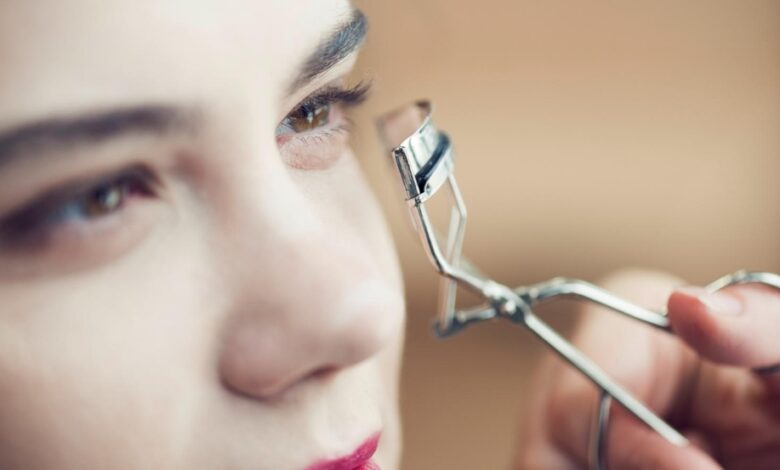
In conversations with clients, styling requests tend to dominate the spotlight: curl types, lengths, volume, and overall shape often take priority. Yet behind the scenes, one question comes up just as frequently and carries far more long-term impact: what soap can I use to wash my eyelash extensions? That single concern reveals a growing awareness that hygiene, not aesthetics, ultimately determines how lashes feel, how long they last, and how healthy the natural lash line remains. As lash services become more routine rather than occasional, hygiene has emerged as the foundation that supports every styling choice that follows.
Lash extensions may be cosmetic, but the environment they sit in is biological. Ignoring that reality leads to problems that no amount of styling can fix.
The Lash Line Is a High-Risk Area for Buildup
The lash line sits at the intersection of hair follicles, oil glands, skin, and the eye itself. Throughout the day, it collects natural oils, dead skin cells, makeup residue, environmental debris, and airborne pollutants. When extensions are added, that accumulation increases, not decreases.
Styling choices do not change this reality. A flawless set applied to an unclean or poorly maintained lash line will still underperform over time. Buildup at the base of the lashes interferes with adhesion, creates friction during blinking, and increases the likelihood of irritation.
Hygiene addresses the environment extensions live in. Styling only affects how they look.
Why Clean Lashes Last Longer Than Beautiful Ones
Retention issues are often blamed on adhesive quality or technique, but daily cleanliness plays an equally important role. Oils and residue break down bonds unevenly, causing premature shedding and twisting that makes even well-designed sets look untidy.
Clean lashes provide a stable surface for extensions to adhere to and remain balanced throughout their wear cycle. When hygiene is consistent, refills are smoother, shedding patterns are more predictable, and overall appearance stays polished for longer.
From a professional perspective, hygiene is one of the few variables that continues working for or against a set long after the appointment ends.
Styling Can Hide Problems, Hygiene Cannot
Heavier styles can temporarily mask early signs of trouble. Volume fans may conceal mild buildup or early lash clumping, giving the impression that everything is fine. Over time, however, those hidden issues compound.
As debris accumulates, lashes may stick together at the base, increasing tension on natural lashes. Clients may experience itching, redness, or discomfort that seems unrelated to styling but is rooted in hygiene neglect.
Subtle styles often reveal these problems sooner, but the underlying cause is the same. Cleanliness determines lash health regardless of design.
Eye Comfort Is Closely Linked to Lash Cleanliness
Many clients accept mild irritation as part of wearing extensions, assuming it comes with the territory. In reality, discomfort is more often linked to buildup and bacteria along the lash line than to the extensions themselves.
When lashes are not cleansed properly, debris can migrate toward the eye, disrupting the tear film and triggering sensitivity. Over time, this can lead to chronic discomfort that discourages clients from continuing with extensions altogether.
The Centers for Disease Control and Prevention emphasises that maintaining cleanliness around the eyes and eyelids helps reduce irritation and supports overall eye health. While lash extensions are cosmetic, the principle remains relevant: hygiene protects comfort.
Hygiene Protects Natural Lash Growth
Natural lashes follow a growth and shedding cycle similar to scalp hair. When follicles are obstructed by residue or inflammation, that cycle can become disrupted. Lashes may shed prematurely, grow back weaker, or thin unevenly over time.
No styling technique can compensate for compromised follicles. Even the most conservative designs rely on healthy natural lashes to support extensions safely.
Daily cleansing supports follicle health by keeping the lash line clear and reducing low-grade inflammation that often goes unnoticed until damage has already occurred.
Why Water Alone Is Not Enough
A common misconception is that rinsing lashes with water provides sufficient cleaning. While water removes surface debris, it does not effectively break down oils or cosmetic residue.
Without proper cleansing, residue remains at the lash base, continuing to affect retention and comfort. Over time, this partial cleaning creates a false sense of hygiene while allowing buildup to persist.
Understanding this distinction is why clients ask specific questions about soap choice rather than relying on water alone.
Hygiene as Preventative Care, Not Damage Control
From a long-term perspective, lash hygiene functions as preventative care. Clients who maintain clean lashes experience fewer complications, require fewer corrective appointments, and enjoy more consistent results.
Preventative habits reduce strain on natural lashes and minimise the need for aggressive fixes later. In contrast, neglecting hygiene often leads to a cycle of irritation, poor retention, and eventual lash fatigue.
Professionals increasingly recognise that educating clients on hygiene is as important as explaining styling options.
Client Perception Is Shifting
As lash services become more mainstream, clients are more informed and more selective. Many now judge professionalism not just by visual results, but by how comfortable their eyes feel days after the appointment.
Studios that emphasise hygiene signal care, competence, and long-term thinking. This builds trust and encourages repeat visits, particularly among clients who wear extensions continuously rather than occasionally.
In this context, hygiene becomes part of the brand experience, not just an aftercare footnote.
Styling Still Matters, But Only After Hygiene
This shift does not diminish the importance of styling. Design choices remain central to personal expression and satisfaction. However, styling works best when it rests on a clean, healthy foundation.
When hygiene is prioritised, styling choices perform better, last longer, and feel more comfortable. When hygiene is ignored, even the most skilled application struggles to deliver lasting results.
Redefining What “Good Lashes” Mean
Good lashes are no longer defined solely by how they look on day one. They are defined by how they wear, how they feel, and how well they support natural lash health over time.
By reframing lash care around hygiene rather than purely aesthetics, both clients and professionals move toward more sustainable, comfortable, and satisfying outcomes. Styling may draw attention, but hygiene determines whether lash extensions remain a positive experience in the long run.