Leeds is a city that rarely stands still. From early morning commuters moving through the station to late evenings filled with restaurants, events, and nightlife, there’s a constant sense of motion. It’s part of what gives the city its character. But within that pace, there’s also a growing desire for something quieter – spaces that allow people to pause, reset, and step away from the noise, even briefly.
One experience that’s quietly finding its place in the city is the traditional sauna. Not in the form of large, shared facilities or busy wellness centres, but as a more considered, private environment designed around calm and simplicity.
A Shift Towards Slower Moments
The idea of slowing down isn’t new, but it’s becoming more relevant in cities like Leeds, where daily life can feel increasingly fast-paced. Rather than travelling out to the countryside or booking extended breaks, many people are now looking for ways to create those moments of stillness closer to home.
This is where smaller, more private wellness spaces come in. Instead of structured sessions or crowded environments, the focus shifts towards flexibility and quiet. A sauna experience, in this context, becomes less about routine and more about intention – choosing to step away, even for an hour, and allowing the pace of the day to soften.
What Makes the Experience Feel Different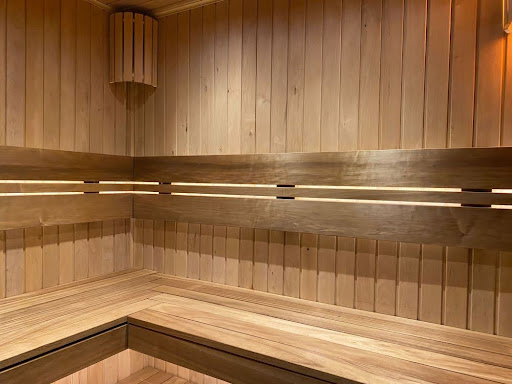
At first glance, a sauna might seem like a simple concept. Heat, seating, and time to unwind. But when approached with more thought and care, the experience begins to take on a different quality.
Privacy and Personal Space
One of the defining elements is privacy. Rather than sharing the space with others, the experience is limited to individuals or small groups. This changes the atmosphere entirely. There’s no background chatter, no need to adjust to others, and no sense of being rushed.
Instead, the space feels self-contained. Whether someone chooses to sit quietly or share the moment with a partner or friend, the environment adapts to them rather than the other way around.
A More Considered Environment
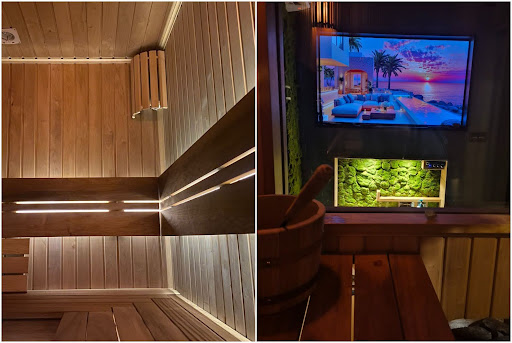
The physical space plays an important role too. Natural materials, such as linden and Abachi wood, create a softer visual and tactile experience. These materials are often chosen not just for how they look, but for how they behave – remaining smooth and comfortable even in higher temperatures.
At the centre of the sauna, a Finnish soapstone heater provides a steady, consistent warmth. Rather than intense bursts of heat, it creates a more balanced atmosphere, allowing people to settle into the experience gradually.
Thoughtful Details That Support the Experience
It’s often the smaller details that shape how the experience feels overall. Fresh towels, robes, and simple refreshments like herbal tea or infused water are not there to stand out, but to support a slower rhythm.
A rainfall shower, a quiet relaxation area, and subtle touches such as soft lighting or built-in sound help create a seamless transition between moments. Moving from heat to rest doesn’t feel like a break in the experience, but a natural continuation of it.
Staying Close to the City, Without the Noise
One of the more interesting aspects of this kind of sauna experience is its location. Being situated in the city centre means it’s accessible, whether someone is finishing work for the day, visiting Leeds, or simply looking for a change of pace without travelling far.
That balance – being in the city, but not feeling part of its noise – is what makes the experience stand out.
At Dragonfly Skin Day Spa, this balance is reflected in how the space is designed. It’s not about removing the city entirely, but about creating a contrast to it. A place where the outside pace feels distant, even if it’s only a few streets away.
A Flexible Way to Unwind
Another reason sauna experiences are becoming more appealing is their flexibility. There’s no fixed way to approach them. Some people may prefer to sit quietly and focus on the warmth, while others might alternate between the sauna and a cooling shower, or simply spend time resting in the adjoining space.
This flexibility makes the experience feel more personal. It doesn’t rely on instructions or expectations. Instead, it allows individuals to find their own rhythm, which often leads to a more natural sense of calm.
A Growing Part of Leeds Wellness Scene
Leeds has seen a steady rise in independent wellness spaces over recent years. Rather than large, uniform chains, there’s a noticeable shift towards smaller, more thoughtful environments that prioritise experience over scale.
Sauna spaces fit naturally into this landscape. They offer something that feels both traditional and contemporary – rooted in long-standing practices, but adapted to suit modern lifestyles.
Spaces like Dragonfly Skin Day Spa are part of this shift, contributing to a quieter side of the city’s wellness scene. Not by being overly visible or promotional, but by offering something that people tend to come across and appreciate in their own time.
Creating Space in a Busy Routine
For many people, the idea of relaxation often feels tied to time – a weekend away, a day off, or a planned break. But in reality, even a short period of stillness can make a difference.
A sauna ritual offers that in a simple, accessible way. It doesn’t require extensive planning or travel. Instead, it creates a small window where the pace slows, and attention shifts away from everything else.
In a city like Leeds, where movement is constant, having access to that kind of space can feel unexpectedly valuable.
A Quiet Pause, When It’s Needed Most
Not every moment of calm needs to be dramatic or transformative. Sometimes, it’s enough to sit in a warm, quiet space and allow the outside world to fade into the background for a while.
That’s ultimately what makes this kind of sauna experience stand out. It doesn’t promise anything beyond the experience itself. No expectations, no pressure – just a space to pause.
And in the middle of a busy city, that can be more than enough.