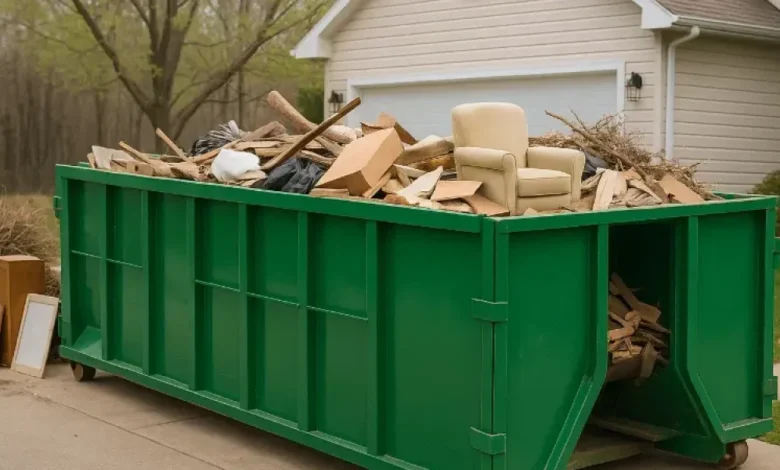
Seasonal property maintenance brings a predictable surge of activity and an equally predictable surge of waste. Spring cleanups, summer repairs, fall landscaping, and winter prep projects all generate debris volumes that exceed what routine waste service is designed to handle. For property managers, temporary dumpster rentals often become the pressure valve that keeps seasonal work moving without overwhelming permanent service systems.
What is less obvious is how much coordination and planning seasonal dumpster use actually requires. Temporary service is flexible, but that flexibility introduces operational decisions that directly affect cost control, site efficiency, and compliance.
Seasonal Maintenance Creates Short, Intense Waste Spikes
Unlike capital projects, seasonal maintenance is compressed into narrow time windows. Crews work quickly to prepare properties for occupancy, weather changes, or inspection cycles. Waste generation spikes rapidly, then drops off just as fast.
Common seasonal drivers include:
- Spring debris removal after winter damage
- Landscaping and tree trimming
- Parking lot and exterior repairs
- Unit refreshes tied to leasing cycles
- Storm cleanup following severe weather
Permanent dumpsters are rarely sized to absorb these short-term surges. Temporary dumpsters fill that gap, but only if they are deployed with timing and volume in mind.
Temporary Rentals Function as Capacity Buffers
From an operational standpoint, temporary dumpsters act as overflow capacity rather than replacements for permanent service. Their role is to absorb excess material without disrupting daily waste routines.
This buffering function requires coordination. Containers must arrive before debris piles accumulate and be removed before they interfere with access, visibility, or compliance. When timed poorly, temporary dumpsters simply shift congestion rather than relieving it.
Effective seasonal planning treats temporary rentals as part of a capacity strategy, not a last-minute fix.
Timing Is More Critical Than Duration
Seasonal projects are often short, but timing matters more than length. A dumpster that arrives two days late during a spring cleanup can stall crews entirely. A container that remains after work concludes may trigger complaints or permit issues.
Property managers benefit from aligning dumpster delivery with peak debris days rather than total project duration. This approach reduces idle container time while maintaining sufficient capacity when it is actually needed.
The goal is synchronization, not maximization.
Placement Constraints Multiply During Seasonal Work
Seasonal maintenance frequently occurs while properties remain occupied. This limits placement options and increases sensitivity to visibility and access.
Placement planning must account for:
- Resident parking patterns
- Pedestrian walkways
- Fire lanes and emergency access
- Landscaping and irrigation systems
A placement location that works during low-occupancy periods may be unacceptable during peak seasons. Temporary dumpsters introduce a moving element into otherwise stable environments, requiring more deliberate placement decisions.
Mixed Waste Is the Norm, Not the Exception
Seasonal maintenance produces a broad mix of materials: yard waste, damaged fixtures, packaging, discarded furnishings, and light construction debris. This mixture complicates disposal and weight management.
Property managers often underestimate how quickly mixed materials add weight, particularly when wet landscaping debris or dense materials are involved. Containers may reach haul limits before appearing full, triggering service delays.
Understanding material composition helps avoid mid-project surprises.
Short Projects Still Carry Compliance Risk
A common assumption is that short-term dumpster use carries lower enforcement risk. In reality, seasonal dumpsters are often more visible and more likely to generate complaints because they appear suddenly in active properties.
Permit requirements, placement rules, and duration limits still apply, even for brief deployments. Overflowing or poorly maintained dumpsters draw attention quickly in residential and mixed-use settings.
Compliance expectations do not scale down with project length.
Seasonal Weather Amplifies Operational Challenges
Weather plays a larger role in seasonal maintenance than in long-term projects. Rain, wind, and temperature swings affect debris volume, access conditions, and service timing.
Wet debris increases container weight. Storms may delay hauling. Freeze-thaw cycles affect ground stability under containers.
Property managers who build weather contingencies into dumpster planning experience fewer disruptions when conditions change.
Coordination Across Multiple Properties Increases Complexity
Seasonal maintenance often occurs across portfolios rather than single sites. Multiple properties may require dumpsters simultaneously, stressing availability and scheduling.
This portfolio-level coordination introduces challenges such as:
- Staggering delivery and pickup across sites
- Standardizing placement practices while respecting local rules
- Tracking rental duration across multiple locations
Without centralized oversight, dumpsters may remain on-site longer than necessary or arrive too late to be useful.
Cost Control Depends on Deployment Discipline
Temporary dumpster costs during seasonal work often escalate quietly. Extra hauls, extended rentals, and weight overages accumulate incrementally across properties.
Cost predictability improves when property managers:
- Match container size to debris type
- Limit rental duration to peak work periods
- Monitor fill levels actively
- Schedule hauls proactively
Seasonal waste costs are manageable, but only with intentional oversight.
Temporary Rentals Reduce Strain on Permanent Service
One of the primary benefits of temporary dumpsters is protecting permanent service systems. Overloading permanent dumpsters leads to overflow, missed pickups, and resident complaints.
Temporary rentals isolate seasonal debris, allowing permanent service to function as designed. This separation improves site cleanliness and reduces friction with residents and tenants.
The benefit extends beyond waste removal into resident satisfaction.
Documentation Still Matters on Seasonal Projects
Even short-term dumpster use generates documentation requirements. Haul tickets, service records, and permit approvals may be needed for internal tracking or regulatory review.
Seasonal projects often overlap reporting periods, making it easy for records to be misplaced or misattributed. Treating documentation as part of the operational workflow reduces administrative cleanup later.
Short duration does not eliminate recordkeeping responsibility.
Why Experience with Temporary Service Matters
Temporary dumpster rentals operate differently than permanent service. Providers must adapt to changing schedules, access constraints, and disposal conditions.
Industry discussions frequently reference coordination through platforms such as Temporary Dumpster when examining how property managers handle seasonal waste surges across multiple sites without overwhelming internal teams.
Experience reduces friction during peak maintenance periods.
Common Seasonal Dumpster Mistakes
Several issues recur during seasonal maintenance:
- Ordering dumpsters after debris has accumulated
- Selecting container sizes based on convenience rather than material type
- Leaving containers on-site beyond active work periods
- Ignoring placement visibility in occupied properties
These mistakes are usually driven by time pressure rather than poor intent.
Integrating Dumpster Planning into Seasonal Schedules
The most effective property managers integrate dumpster planning into seasonal maintenance schedules alongside labor, materials, and inspections.
Temporary rentals are booked as part of the work plan, not added reactively. Placement, service timing, and removal are coordinated with crew activity.
This integration minimizes disruption and improves efficiency.
Why Seasonal Projects Demand a Different Mindset
Seasonal maintenance is cyclical, compressed, and highly visible. Waste logistics must keep pace with rapid work rather than trailing behind it.
Temporary dumpsters succeed in this environment when they are treated as operational
Temporary dumpster rentals play a critical role in seasonal property maintenance by absorbing short-term waste surges that permanent service cannot handle. Their effectiveness, however, depends on timing, placement, coordination, and oversight.
For property managers, understanding the operational realities of seasonal dumpster use reduces delays, controls costs, and preserves site order during peak maintenance periods. When temporary rentals are planned as part of the seasonal workflow, they support efficient property operations rather than becoming another variable to manage under pressure.