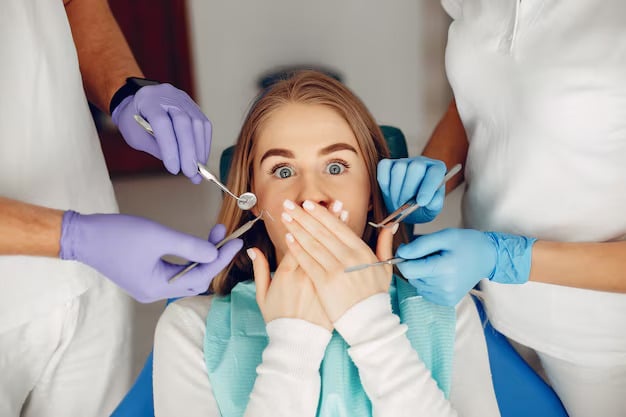
Imagine it’s the weekend, and your child trips while playing at the park. They hold their mouth and cry out in pain. Or perhaps it’s your own molar, suddenly throbbing at night, making it impossible to sleep. In these moments, the last thing you want is confusion over what to do next. Understanding how to handle a dental emergency in Singapore can save time, reduce pain, and prevent complications.
This guide is designed to walk you through immediate first-aid, common dental emergencies, and options for urgent care. Whether you are a parent caring for your child or an adult dealing with sudden tooth pain, knowing how to act quickly is crucial.
Recognising a Dental Emergency
Not every dental issue requires urgent care, but some situations demand immediate attention. Identifying them early ensures better outcomes.
- Severe Tooth Pain: Pain that persists for hours or worsens over time may indicate infection, nerve exposure, or decay.
- Knocked-Out or Broken Teeth: Trauma from accidents, sports, or falls can damage teeth, requiring prompt professional intervention.
- Swelling or Abscess: Redness, pus, or facial swelling are signs of infection that need urgent treatment.
- Uncontrolled Bleeding: Bleeding that does not stop within 10–15 minutes warrants immediate dental evaluation.
These indicators help you differentiate between minor issues and true emergencies that should not be delayed.
Common Types of Dental Emergencies
Dental emergencies can happen to anyone at any time. Here are the most frequent scenarios:
Toothache and Infection
Sudden, severe toothaches often signal decay, a cavity, or an abscess. Pain may worsen at night or when eating. Early treatment can prevent infection from spreading and avoid more invasive procedures.
Broken or Chipped Teeth
Children and adults alike may experience chipped or fractured teeth due to accidents, falls, or biting hard foods. These situations can be painful and cause sharp edges that damage soft tissue, so prompt care is essential.
Knocked-Out Teeth
A permanent tooth that is completely knocked out needs immediate action. Quick response—ideally within one hour—can save the tooth. Keep the tooth moist in milk or saline and avoid touching the root when handling it.
Lost Crowns or Fillings
Although not always painful, lost crowns or fillings expose teeth to decay and sensitivity. Getting a temporary or permanent replacement quickly prevents further complications.
Oral Injuries from Accidents
Cuts, lacerations, or trauma to the gums, lips, or tongue can occur in sports or household accidents. While less common, these injuries may require stitches or emergency care to prevent infection and proper healing.
Immediate First-Aid Steps
When a dental emergency happens, your first actions are critical to minimizing damage and discomfort.
- Stay Calm and Assess the Situation
Check if the affected person is in severe pain, bleeding, or has swelling. Understanding the severity will help determine whether to go to a dentist immediately or to a hospital emergency department. - Rinse and Clean Gently
Rinse the mouth with warm saltwater to remove debris and reduce the risk of infection. Avoid vigorous rinsing that can aggravate injury. - Control Swelling
Apply a cold compress to the outside of the cheek for 10–15 minutes intervals. This reduces swelling and numbs pain. - Pain Management
Over-the-counter pain relief can help, but do not apply painkillers directly onto gums or teeth. Always follow dosing instructions. - Handling Knocked-Out Teeth
Hold the tooth by the crown, not the root, and place it in milk or saline solution. Immediate dental care increases the chance of saving the tooth.
Following these steps can significantly improve outcomes before professional care is available.
Seeking Urgent Dental Care in Singapore
Singapore offers multiple avenues for emergency dental care. Knowing where to go ahead of time helps reduce stress during an actual emergency.
Public and Hospital-Linked Options
- National Dental Centre Singapore (NDCS) runs an Urgent Care Clinic for severe tooth pain, trauma, or infection.
- Hospital Emergency Departments like SGH provide initial management for severe injuries or infections before follow-up dental care.
These services are especially helpful if your dental emergency occurs after hours or during weekends.
Private Emergency Dental Clinics
Many private clinics provide same-day appointments or late-night urgent services. These clinics can manage fractures, severe pain, swelling, and knocked-out teeth. They offer the convenience of prompt care and often more flexible scheduling than public clinics.
After-Hours Services
Some practices in Singapore operate 24/7 or late into the night for urgent cases. Contacting these clinics beforehand ensures you are received quickly and your emergency is addressed promptly.
What to Expect During Treatment
Emergency dental visits usually follow a structured approach:
- Assessment and Triage: The dentist evaluates the problem, reviews history, and checks for trauma or infection.
- Diagnostic Imaging: X-rays or scans are used to locate fractures, abscesses, or other underlying issues.
- Immediate Relief: Pain management, temporary fillings, or stabilizing treatments may be provided.
- Follow-Up Plan: Depending on the emergency, further procedures like root canal, crown replacement, or minor surgery may be scheduled.
Understanding this process reduces anxiety and helps you anticipate what will happen during the visit.
Tips to Prevent Dental Emergencies
While some emergencies cannot be predicted, prevention reduces risk:
- Routine Checkups: Regular dental visits help detect cavities, weak teeth, and gum issues early.
- Sports Protection: Mouthguards during sports reduce trauma risk for children and adults.
- Healthy Oral Hygiene: Brushing, flossing, and a balanced diet strengthen teeth and prevent decay.
Proactive care minimizes the likelihood of urgent situations, especially for children and teens.
Preparing Your Family for Emergencies
Having a plan in place ensures quick, confident action:
- Keep a dental emergency kit with gauze, saline solution, a small container for knocked-out teeth, and contact info for dentists.
- Teach children simple first-aid steps: rinse gently, avoid touching roots, and signal pain clearly.
- Familiarize yourself with local clinics and hospital emergency numbers.
Preparation ensures faster response and reduces panic when a real emergency occurs.
Trusted Dental Clinics
When choosing a clinic for urgent care, consider factors like transparent pricing, family-friendly care, and experienced staff. Clinics such as Nuffield Dental provide clear guidance, support for anxious patients, and a structured follow-up plan, helping both children and adults navigate emergencies confidently.
Final Thoughts: Be Ready, Stay Calm, Act Quickly
A dental emergency in Singapore can be stressful, but preparation, knowledge, and prompt action make a difference. Recognizing the signs, providing immediate first-aid, and seeking urgent care prevents complications, preserves teeth, and reduces pain for the entire family.
Whether it’s a severe toothache at night or a traumatic injury at school, knowing where to go and what steps to take ensures your family is protected. With proper planning, dental emergencies become manageable rather than frightening events.
Frequently Asked Questions
- What qualifies as a dental emergency in Singapore?
Severe pain, swelling, knocked-out teeth, fractures, uncontrolled bleeding, or abscesses require urgent evaluation. - Where should I go for dental emergencies after hours?
Some private clinics and hospital emergency departments provide after-hours care. Calling ahead is recommended. - How should I handle a knocked-out tooth?
Hold by the crown, keep it moist in milk or saline, and visit a dentist immediately—ideally within one hour. - Are emergency dental visits covered by insurance?
Coverage varies by plan. Contact your provider and clinic to confirm. - Can children’s dental emergencies be treated differently?
Yes, pediatric patients may require sedation, gentle handling, and special follow-up care to ensure comfort and proper healing.