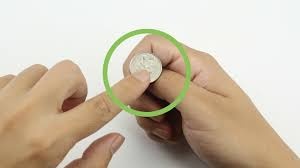
Indecision isn’t always a character flaw—it’s often a sign you’re weighing real tradeoffs with limited time. But when the choice is low-stakes (pizza vs. tacos, call now vs. tomorrow, A/B option at work), overthinking can quietly drain your momentum.
That’s where a simple “randomizer” can help. Using a coin flipper online gives you an instant, neutral tiebreaker so you can move forward without spiraling into endless pros-and-cons.
Even better: the act of committing to the result often reveals what you actually wanted all along—because your gut reacts the moment the outcome is decided.
Why a quick coin flip works (even when you think it shouldn’t)
A coin toss isn’t magic, but it’s surprisingly effective at breaking decision loops. When your brain keeps reopening the same debate, introducing a clear rule—heads equals Option A, tails equals Option B—creates closure fast.
- It reduces decision fatigue: Fewer “micro-decisions” clogging your day.
- It creates momentum: Action beats analysis when stakes are small.
- It surfaces preference: Your immediate reaction to the result can be the real insight.
Great moments to use an online coin flip
Not every decision should be left to chance, but plenty of everyday choices are perfect candidates. Think: reversible, low-risk, or simply not worth another 20 minutes of debate.
- Choosing between two restaurants, shows, or weekend plans
- Deciding who starts a game, leads a meeting, or goes first in a task rotation
- Breaking ties in group chats when everyone’s “fine with anything”
- Picking a workout: strength vs. cardio when motivation is low
- Settling small household debates (who takes out trash today)
The “coin flip + gut check” method
If you want a quick trick that’s more than pure randomness, pair the toss with a simple emotional check. This turns a basic online coin toss into a practical decision-making tool.
- Name the two options clearly: Avoid fuzzy choices like “be productive.” Make it “write outline” vs. “answer emails.”
- Assign heads/tails: Decide before you flip to prevent “best-of-three” bargaining.
- Flip once: Treat it as final for low-stakes decisions.
- Notice your reaction: Relief? Disappointment? That feeling is data.
- Commit for a set time: Example: “I’ll do this for 30 minutes, then reassess.”
If you dislike the outcome, you may have just discovered your true preference—without another hour of deliberation.
Fairness, transparency, and avoiding “rigged” feelings
People often hesitate because they worry a digital coin toss isn’t “real.” In practice, the value is less about physics and more about having a consistent, neutral rule everyone accepts. For group decisions, what matters most is that the process feels fair and repeatable.
To keep it clean, set expectations upfront: one flip, no arguing, and no re-flips unless you all agree on a specific exception (like someone bumped the phone or you forgot to assign heads/tails).
When you should not leave it to a coin flip
Random choice is a tool—not a life strategy. Skip the coin toss when consequences are serious, long-term, or hard to reverse.
- Major financial decisions (investments, loans, large purchases)
- Health and medical choices
- Safety-related decisions
- Hiring, firing, or high-impact workplace calls
- Relationship decisions that require communication and consent
Conclusion
An online coin flip is a quick, practical way to end indecision when the stakes are small and your brain won’t let go. It creates a clear tiebreaker, reduces mental clutter, and often exposes what you wanted in the first place.
Use it as a momentum tool: define two real options, flip once, do a quick gut check, and move. When you stop treating every minor choice like a major life event, you save time—and you make room for better decisions where it actually counts.