For many people managing dietary restrictions, the morning meal is the hardest to get right. It is not simply a matter of avoiding certain ingredients — it is about building a meal that functions well enough to carry you through several hours of focused work, physical activity, or caregiving without the need for mid-morning snacks or early lunches. When you remove both animal products and gluten from the equation, the list of familiar options narrows considerably, and what remains often lacks the protein, fiber, and fat content needed to sustain energy across a full morning.
This is a practical problem, not a philosophical one. A breakfast that leaves you hungry by ten o’clock is not just inconvenient — it disrupts concentration, affects mood, and often leads to compensatory eating that undermines the dietary goals you set out to support in the first place. The challenge is finding combinations of whole, accessible ingredients that satisfy hunger reliably, not just occasionally.
The ten options outlined here are built around that specific standard: sustained fullness, nutritional balance, and real-world practicality for people who need to prepare food quickly on weekday mornings without access to specialty items or elaborate techniques.
Why Satiety Is the Right Standard for Breakfast Planning
When evaluating any vegan gluten free breakfast option, satiety — the physical sensation of fullness and the duration it lasts — is a more useful measure than calorie count or ingredient novelty. Satiety is driven primarily by three factors: dietary protein, soluble fiber, and healthy fat. A breakfast that includes meaningful amounts of all three will generally hold hunger for three to four hours, which is the window most people need to get through a morning without disruption.
For those exploring structured recipes and meal frameworks built around these principles, the curated collection at vegan gluten free breakfast offers a practical reference point organized around whole-food combinations rather than substitution-based cooking. The distinction matters because substitution-based approaches — replacing eggs with egg replacers, or bread with gluten-free bread — often replicate the visual form of a meal without replicating its nutritional function.
Understanding this distinction changes how you shop, how you plan, and how satisfied you feel with the results. When the goal shifts from mimicking familiar formats to building genuinely nourishing meals, the options become more interesting and more effective.
The Role of Protein in Plant-Based Morning Meals
Protein is the nutrient most commonly underrepresented in vegan breakfasts, particularly when gluten is also excluded. Many plant-based proteins come packaged with gluten — seitan being the most direct example — so the available sources require more deliberate planning. Legumes, tofu, tempeh, hemp seeds, and certain whole grains like quinoa and amaranth provide meaningful protein without gluten, but they require preparation methods that differ substantially from a conventional egg-based breakfast.
The practical implication is that protein-forward vegan breakfasts often benefit from preparation the night before. Cooking a batch of lentils, marinating tofu, or soaking chia seeds takes only a few minutes in the evening and removes the time pressure from the morning entirely. This approach does not require meal prep at scale — it simply requires thinking one day ahead.
Fiber Sources That Actually Sustain Energy
Not all fiber performs the same function in the context of morning satiety. Soluble fiber — the kind found in oats, flaxseeds, chia seeds, and many fruits — absorbs water and forms a gel-like substance in the digestive tract, which slows gastric emptying and extends the feeling of fullness. This is meaningfully different from insoluble fiber, which primarily supports digestive transit but does not contribute to sustained satiety in the same way.
For a vegan gluten free breakfast to hold through a full morning, soluble fiber should appear in some form. Certified gluten-free oats are a reliable option for people who tolerate oats well. For those who do not, ground flaxseed and chia seeds offer comparable soluble fiber content and integrate easily into smoothies, puddings, and grain-free porridges made from seeds and coconut.
Ten Breakfast Options Built Around Functional Nutrition
The following options are organized not by difficulty or aesthetic appeal but by their nutritional structure. Each one includes a meaningful source of protein, soluble fiber, and fat — the combination that makes a morning meal actually work.
Chia Pudding With Hemp Seeds and Berries
Chia seeds absorb liquid overnight and become a thick, pudding-like consistency that requires no cooking. Combined with hemp seeds, which are one of the most complete plant-based protein sources available, and topped with berries for additional fiber and micronutrients, this is one of the most nutritionally efficient breakfasts possible within these dietary parameters. It takes less than five minutes to prepare the night before and requires no equipment beyond a jar and a spoon.
Tofu Scramble With Vegetables
Firm tofu, crumbled and cooked in a skillet with olive oil, turmeric, and black salt, produces a texture and flavor profile similar to scrambled eggs. Adding vegetables — spinach, bell peppers, mushrooms, or whatever is available — increases the fiber content and extends the meal’s filling effect. This is one of the few hot breakfast options that comes together in under fifteen minutes and delivers substantial protein without gluten-containing ingredients.
Quinoa Breakfast Bowl
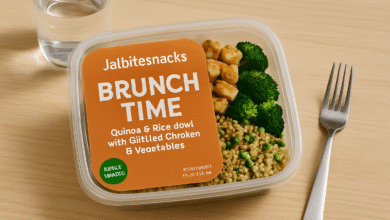
Quinoa is one of the few plant foods that contains all nine essential amino acids, making it a genuinely complete protein source as recognized by nutritional science bodies including the Food and Agriculture Organization of the United Nations. Cooked quinoa can be prepared in advance and reheated in the morning with plant-based milk, nut butter, and fruit for a warm, filling bowl that functions more like oatmeal than a grain side dish. The protein and fiber content together make it a reliable choice for long mornings.
Smoothie With Legume-Based Protein
A smoothie built around white beans, silken tofu, or a pea protein powder — rather than primarily fruit — behaves very differently in terms of satiety than a fruit-dominant smoothie. Adding avocado or nut butter for fat, and ground flaxseed for soluble fiber, creates a liquid meal that genuinely sustains hunger. The key is treating the smoothie as a meal rather than a drink, which requires adjusting both ingredients and volume accordingly.
Grain-Free Granola With Coconut Yogurt
Granola made from seeds, nuts, and coconut flakes rather than oats avoids gluten entirely while still providing the crunch and sweetness that make granola appealing. Paired with coconut-based or cashew-based yogurt, which provides fat and some protein, this combination is easy to prepare in batches and works well as a weekday option that requires no morning effort beyond assembly.
Lentil Pancakes
Red lentils soaked overnight and blended with water produce a batter that cooks into savory or mildly sweet pancakes with a surprisingly high protein content. This approach requires planning but no specialty flour or binding agents. The result is a hot breakfast that holds hunger substantially longer than grain-flour pancakes, even gluten-free grain flour versions, because the legume base provides both protein and fiber in a single ingredient.
Avocado and Seed Toast on Gluten-Free Bread
For those who prefer a familiar format, gluten-free bread made from rice, cassava, or almond flour topped with avocado and a generous layer of seeds — pumpkin, sunflower, or sesame — provides fat and some fiber but benefits from an added protein source such as smoked tofu or a side of beans to complete the nutritional profile. This is the most accessible option on this list in terms of preparation but requires the most attention to assembly to be genuinely filling.
Overnight Oats (Certified Gluten-Free)
Standard rolled oats are often contaminated with gluten during processing, so certified gluten-free oats are necessary for anyone with celiac disease or significant gluten sensitivity. When prepared overnight with plant-based milk, chia seeds, and nut butter, gluten-free oats provide a meal with substantial soluble fiber and moderate protein. Adding a spoonful of hemp seeds in the morning increases the protein content without altering the texture or flavor noticeably.
Tempeh Hash
Tempeh, which is fermented soy, has a firmer texture than tofu and a slightly nutty flavor that works well in savory morning dishes. Diced and cooked with sweet potato, onion, and spices, it forms a hash that is genuinely hearty and provides both protein and complex carbohydrates. The fermentation process also contributes to digestive health, which is a consideration for many people managing dietary restrictions.
Seed-Based Porridge
For those who avoid grains entirely, a porridge made from ground hemp seeds, flaxseed, and coconut flour cooked with plant-based milk achieves a warm, thick consistency without any grain content. Sweetened with a small amount of maple syrup and served with fruit, it resembles traditional porridge in form while delivering a nutritional profile that leans heavily on fat and protein rather than carbohydrates. This option works particularly well for people who find grain-based breakfasts energizing in the short term but draining by mid-morning.
Building a Consistent Morning Routine Around These Options
The practical challenge with a vegan gluten free breakfast routine is not finding one good option — it is maintaining variety and consistency across workweeks without spending disproportionate time on food preparation. The most sustainable approach involves rotating between three to four reliable options rather than introducing new recipes constantly. Once preparation methods are familiar, most of these breakfasts can be assembled or reheated in ten minutes or less.
Batch preparation of base ingredients — cooked quinoa, marinated tempeh, prepared chia pudding, or homemade granola — stored in the refrigerator removes the daily decision burden that causes people to default to less satisfying options when time is short. This is not a complex system. It is simply the difference between deciding what to eat at seven in the morning and deciding what to prepare the evening before, when the decision is easier and the options feel less constrained.
Conclusion
The persistent difficulty with vegan gluten free breakfast planning is not a lack of options — it is a lack of structure around which options actually work over time. Most people who struggle to stay full until lunch are not eating enough protein or soluble fiber in the morning, and the solution is less about finding the right recipe and more about understanding which nutritional components matter and ensuring they appear consistently.
The ten options outlined here are not exhaustive, and they are not presented as universally ideal. Individual digestion, activity level, and food preferences all affect how any given breakfast performs. What they share is a common logic: protein, fat, and soluble fiber working together to slow digestion and extend satiety. When that logic is applied consistently, the morning meal stops being a problem to solve each day and becomes a stable part of how the day begins.
Starting with one or two options from this list and building familiarity before expanding is a more reliable path than attempting variety immediately. Consistency with a small number of effective meals produces better long-term results than diversity with meals that leave you reaching for a snack an hour later.