The Ultimate Black Angus Denver Steak Buying Guide: What US Shoppers Need to Know Before They Order

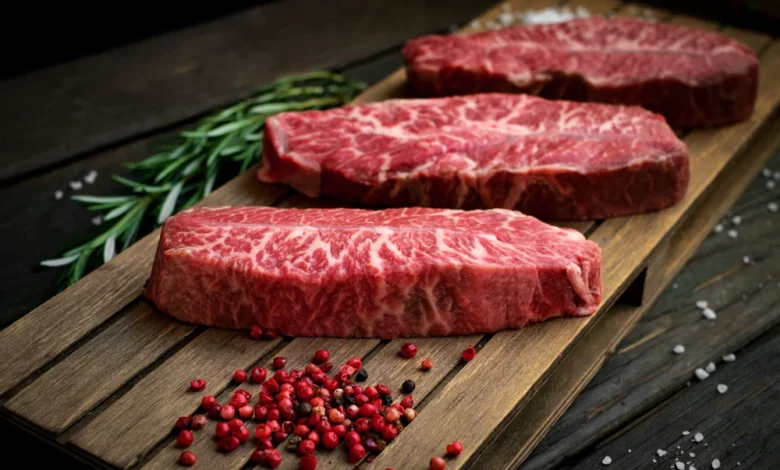
American beef consumers are paying closer attention to what they buy than they were a decade ago. The shift is not purely about price sensitivity — it is about understanding what separates a genuinely good cut from one that simply looks the part at the point of sale. For home cooks, weekend grillers, and small restaurant operators sourcing directly from online suppliers, the stakes are practical. A poor purchase decision means wasted money, a disappointing meal, or a product that does not behave the way the recipe demands.
The Denver steak, in particular, has moved from obscurity into broader market awareness over the past several years. It is now appearing more frequently on restaurant menus and in direct-to-consumer beef programs. But wider availability has also brought inconsistency. Not every Denver steak sold under the same name comes from the same place in the animal, processed the same way, or raised under conditions that affect how the final product performs on the grill or in a pan. For buyers who want to make an informed decision, understanding the sourcing, grading, and structural characteristics of this cut is essential before placing an order.
What Makes Black Angus Denver Steak Different From Other Chuck Cuts
When evaluating a black angus denver steak, it helps to understand that this cut comes from the chuck section of the animal — specifically from the serratus ventralis muscle, which sits beneath the shoulder blade. That location matters because this particular muscle does relatively little work compared to other parts of the chuck. Less movement means the muscle fibers remain tender, which is unusual for a cut sourced from a section of the animal typically associated with tough, heavily worked tissue.
Black Angus as a breed designation is relevant here because it directly influences the marbling pattern within that muscle. Angus cattle, particularly those verified under programs like the Certified Angus Beef brand, carry genetics that produce consistent intramuscular fat distribution. In a cut like the Denver, where the muscle is already predisposed to tenderness, that marbling elevates the eating experience from simply acceptable to reliably good. This is not a marginal difference. It affects moisture retention during cooking, how the steak responds to direct heat, and the depth of flavor after resting.
The Serratus Ventralis Muscle and Why It Matters
Most consumers do not think about muscle anatomy when buying beef, and for most cuts, that gap in knowledge is harmless. For the Denver steak, understanding the muscle origin explains why butchering quality has an outsized impact on the final product. The serratus ventralis runs through a region of connective tissue and fat that, if not properly removed during fabrication, can leave tough seams running through an otherwise tender steak. A well-fabricated Denver steak should have those seams cleanly removed, leaving uniform texture across the entire surface.
When you are buying this cut online or through a direct supplier, you cannot inspect it in person the way you would at a butcher counter. That means the fabrication standards of the supplier become a proxy for what you can expect on the plate. Buyers who have received inconsistent results from Denver steaks are often dealing with a fabrication issue rather than a breed or grade problem. The cut was correct in origin but handled improperly during processing.
Breed Verification and What It Actually Guarantees
The term “Black Angus” appears widely on beef packaging in the United States, but it does not carry a uniform legal definition in the way that USDA grading does. Some programs require specific breed verification, documented lineage, and quality thresholds before a product can be labeled under their brand. Others apply the label more loosely, referencing Angus influence rather than documented breed purity. Buyers who want certainty should look for programs that verify through third-party audits and have traceable supply chains from ranch to processing facility.
This matters specifically for the Denver steak because the cut’s value proposition — tenderness combined with rich flavor — is most fully realized when the animal meets genuine breed standards and has been raised in a way that supports the marbling potential of its genetics. A steer with Angus characteristics but raised in conditions that restrict muscle development and fat deposition will not produce the same result as one raised under proper protocols.
How USDA Grading Applies to This Cut
USDA beef grading, as described by the USDA Agricultural Marketing Service, evaluates carcasses based on maturity and marbling. The grades most relevant to retail and food service buyers are Select, Choice, and Prime, with Choice and Prime representing the segments where the Denver steak performs best. A Select-grade Denver steak will cook and eat differently than a Choice-grade version of the same cut, even when breed, fabrication, and sourcing are otherwise equivalent.
For everyday home use, a well-sourced Choice-grade black angus denver steak represents a reasonable balance between cost and performance. Prime-grade product is available through specialty suppliers but comes at a higher price point that is not always necessary for the cut’s intended uses — which typically involve high-heat, fast-cook methods rather than long preparations.
Marbling Score Versus Grade: Understanding the Difference
Grading and marbling are related but not identical. USDA grades encompass both maturity and marbling as part of a combined assessment, but some suppliers reference marbling scores independently to differentiate products within the same grade band. A buyer comparing two Choice-grade products might find that one sits at the lower end of the Choice marbling range while another sits near the threshold for Prime. In practical terms, this difference can be meaningful, particularly for a cut where intramuscular fat plays a central role in flavor.
When reviewing product listings or supplier descriptions, pay attention to whether marbling is described in specific terms or simply used as a general positive descriptor. Suppliers with transparent grading information and documented sourcing practices give buyers a cleaner basis for comparison than those relying on broadly positive language without supporting detail.
Sourcing Considerations for Online Beef Purchases
The growth of direct-to-consumer beef programs has expanded access to cuts like the Denver steak that were previously difficult to find outside of specialty butchers or food service channels. At the same time, it has made due diligence more important. When buying online, you are committing to a product based on descriptions, photographs, and supplier reputation rather than physical inspection. The gap between a well-sourced black angus denver steak and a poorly sourced one may not be apparent until the product arrives and is cooked.
Several factors are worth evaluating before placing an order with any supplier. These include traceability documentation, processing facility standards, cold chain management during shipping, and the consistency of cut thickness across a given product offering. Inconsistent thickness is a common complaint in online beef purchasing and directly affects how reliably a steak can be cooked to a desired level of doneness.
Cold Chain Integrity During Shipping
Fresh and frozen beef products behave differently in transit, and the standards that govern safe handling are distinct for each. Frozen black angus denver steak shipped with adequate dry ice or gel packs and insulated packaging maintains quality more predictably over longer distances than fresh product. Fresh beef shipped over two or more days requires consistent temperature control throughout the journey, which depends on both the carrier’s handling and the packaging design.
Buyers in warmer climates or in locations farther from distribution centers face a higher risk of temperature excursion during shipping. Understanding a supplier’s shipping methodology — not just their claimed arrival guarantees — is a reasonable part of the buying decision. Suppliers who provide detailed shipping protocols and who have return or replacement policies for products that arrive outside of safe temperature ranges demonstrate a level of operational accountability that is worth factoring in.
Cut Consistency Across Orders
For buyers who intend to cook Denver steaks regularly, consistency across multiple orders matters beyond the first purchase. A supplier who produces reliably uniform cuts — in terms of thickness, trimming, and weight — makes meal planning more predictable and reduces waste. This is especially relevant for restaurant operators or households that cook for multiple people where uneven cuts create uneven results.
Consistency in a black angus denver steak is partly a function of butchering standards, but it also reflects the supplier’s commitment to quality control across production runs. Reading buyer reviews with attention to repeated orders — not just first-time impressions — provides a more accurate picture of what long-term purchasing will look like.
Cooking Method Alignment and Buyer Expectations
Understanding how a cut cooks is part of buying it responsibly. The Denver steak is well-suited to high-heat methods — grilling over direct flame, searing in a cast iron pan, or finishing under a broiler. Its moderate thickness and intramuscular fat make it respond well to quick cooking and a short rest. It is not designed for braising or slow cooking, where its structural characteristics would not contribute the textural advantage that makes it worth purchasing over a less expensive chuck cut.
Buyers who have had poor experiences with Denver steaks have sometimes purchased the right product but used a cooking approach that did not align with the cut’s properties. A black angus denver steak cooked low and slow loses the tenderness advantage that sets it apart. Matching cooking method to cut is a practical extension of the buying decision itself.
Closing Thoughts
Buying a Denver steak well requires more than selecting a product labeled with the right words. Breed verification, grading transparency, fabrication quality, cold chain management, and supplier consistency all determine whether the purchase delivers what it promises. For a cut that has earned its reputation through genuine structural and flavor characteristics, those characteristics are worth protecting through careful sourcing decisions.
The market for specialty beef cuts continues to grow, and the availability of high-quality black angus denver steak through online channels makes it more accessible than ever. That accessibility is an advantage when backed by informed buying habits. Shoppers who take the time to understand what differentiates one product from another will consistently get better results — not through luck, but through the same operational logic that applies to any sourcing decision: know what you are buying, know who you are buying it from, and hold both to a documented standard.