How to Choose the Right Makeup Tools for Better Coverage and Less Product Waste

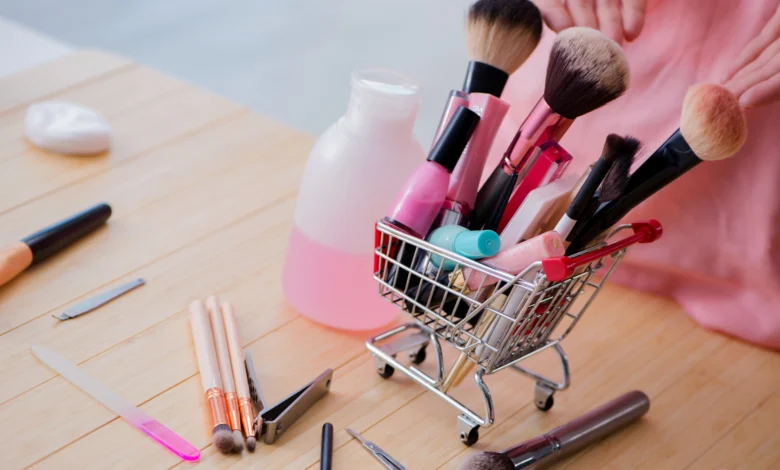
A smooth makeup look does not come down to formula alone. The tools you use have a huge influence on how the product sits on the skin, how easily it blends, and how much of it actually stays where you want it. When the tool is right for the job, the foundation looks more even, cream products melt in more naturally, and powder goes on with better control. Choosing quality face brushes can make everyday makeup feel easier and far less frustrating.
A lot of common makeup complaints start with the wrong tool. Streaks, patchy areas, heavy spots around the nose, and wasted product are often blamed on the makeup itself, even when the real problem is the brush. If bristles are too stiff, too sparse, or poorly shaped, they can drag product across the skin instead of blending it. That makes it harder to get the coverage you want without using more than necessary.
Why Your Makeup Tools Affect the Final Finish
Makeup tools change the way the product moves. A dense, well-shaped brush can apply foundation in a thin, even layer, making the finish look smoother and more natural. A softer brush can help diffuse powder so it does not sit too heavily in one place. Even the size of the brush matters because it affects how much control you have over smaller areas of the face.
Blending is one of the biggest differences between a good tool and a poor one. With a well-made brush, the product can be built up gradually instead of piling on in one spot. That gives you a more balanced result and helps prevent harsh lines at the jaw, hairline, or under the eyes. Coverage also becomes easier to customize. You can keep some areas light and add more where needed without the whole face looking overdone.
Poor-quality tools tend to create problems that are hard to correct once the product is already on the skin. If the brush does not distribute makeup evenly, one side of the face can end up looking fuller or heavier than the other. If the bristles are rough or irregular, they may disturb the layer beneath rather than smoothing it. Even a good foundation or powder can start to look uneven when the tool applying it is working against the finish.
Common Problems Caused by the Wrong Brush
One of the biggest ways the wrong brush wastes makeup is by soaking up too much product. Instead of helping the makeup go on your skin, it traps liquid or cream in its bristles. That usually means using more foundation or concealer than you actually need, and over time, that can get expensive.
Streaks and patchy spots are another frustrating issue. If a brush is too stiff, too flat, or just not packed well enough, it can leave lines behind instead of blending everything out smoothly. A lot of people end up adding more product to fix it, but that usually just makes the makeup look heavier. Patchiness tends to show up even more around dry areas or anywhere the skin has a bit more texture.
Brushes that lose their shape quickly can also make makeup much harder to apply. Once the bristles start to spread out, bend, or look uneven, the brush no longer works the same way. Shedding is part of that, too. Loose bristles that stick to your face mid-application are annoying and can ruin an otherwise smooth finish. A cheap brush that starts falling apart early usually ends up being more trouble than it is worth.
What to Look for When Choosing Better Tools
The feel of the bristles really affects how makeup goes on. A good brush should glide across the skin rather than pulling at it or moving around the product you’ve already applied. Softer bristles usually help foundation, blush, and powder look smoother and more even. Density matters too. If you like more coverage or use a lot of liquid and cream formulas, a denser brush can help. If you want something lighter and more diffused, a fluffier brush usually does the job better.
Shape is just as important, and it can make the application a lot easier. Rounded brushes work well for blending bigger areas of the face, while angled ones are helpful when you need a little more control around the nose, cheekbones, or under the eyes. Smaller brushes are great for detail work, and larger ones help you move faster on areas like the cheeks and forehead. When you think about how and where you actually apply makeup, choosing the right shape becomes much simpler.
Comfort also matters more than people expect. A brush might look nice, but if it feels awkward or slippery in your hand, it won’t be as easy to use. The best ones feel balanced and easy to control. It is also worth paying attention to durability, especially if you wash your brushes often. You want something that feels solid, holds its shape, and doesn’t start shedding after a few uses. Vegan and cruelty-free options are worth considering, especially when they offer the same softness, performance, and long-lasting quality.
How Different Brush Types Help With Different Products
Liquid products usually work best with brushes that can spread and blend without soaking up too much formula. A dense buffing or rounded foundation brush can help create smooth coverage while keeping the finish from looking streaky. For concealer or targeted correction, a smaller brush gives more precision and helps keep coverage where it is needed.
Cream products need enough structure to move the formula, but not so much stiffness that they leave visible edges. A compact brush with soft bristles can blend cream blush, bronzer, and contour more naturally into the skin. The goal is to press and diffuse the product rather than push it around too harshly.
Powder products usually benefit from brushes that allow a lighter hand. A fluffy powder brush can distribute product more evenly, helping avoid heavy spots or a dry-looking finish. For blush, bronzer, or highlighter, brush size and shape matter because they control placement as much as intensity.
Some face brushes are more versatile than others because they can work on a range of textures. A well-shaped, dense brush may be used to apply tinted moisturizer, foundation, and cream bronzer. A medium fluffy brush might work for setting powder, blush, or finishing touches. Versatility is useful, but only when the brush still performs well for each task. It is better to have a few dependable tools than a large collection that does not truly improve the application.
How to Make Your Tools Last Longer
Cleaning your brushes regularly really does make a difference. When makeup starts building up in the bristles, brushes can feel stiff, blend unevenly, and even transfer leftover color where you do not want it. A consistent wash keeps them softer, fresher, and much easier to work with.
How you dry and store them matters too. After washing, gently reshape the bristles and let the brushes dry fully so moisture does not remain near the base. Keeping them in a clean, dry spot also helps them hold their shape and stay in good condition between uses.
It is also smart to notice when a brush is not performing as well as it used to. If it starts shedding, feels scratchy, loses its shape, or no longer blends well, it may be time to replace it. Hanging on to worn-out brushes usually just makes makeup harder to apply and leads to more wasted product.
Conclusion
Good makeup tools can change the way your whole routine feels. The right brushes help makeup go on more smoothly, give you better control, and keep you from using more product than you need. Instead of trying to fix a frustrating application with extra makeup, it usually works better to invest in tools that help everything apply more cleanly from the start. In the end, a few solid brushes will take you further than a drawer full of ones that do not work well.