Latin America is often described through its flavours, but its food traditions are better understood through how people eat every day rather than what appears on celebratory tables. Health, in this context, is not about superfoods or strict rules. It is about patterns shaped by geography, climate, labour, and long-standing habits. To understand which food is the most healthy in Latin America, it helps to step away from national stereotypes and look instead at how different regions feed their populations over a lifetime.
Health Begins With Geography, Not Recipes
Food traditions across Latin America developed in direct response to land and climate. Mountain regions demanded slow energy and mineral density. Tropical forests encouraged variety and rotation. Coastal areas relied on freshness and speed from catch to plate. These conditions shaped diets long before nutrition science existed, yet many of the outcomes align closely with modern understanding of metabolic health, inflammation, and longevity.
What matters most is not a single dish but how often certain foods appear, how they are prepared, and what role they play in daily life. In many parts of Latin America, food is built around staples that stabilise blood sugar, support digestion, and provide sustained energy rather than spikes. This foundation makes some regional food systems consistently healthier than others.
The Andean Model, Slow Energy and Nutrient Density
In the highlands of Peru and Bolivia, food developed under conditions of altitude, cold nights, and intense physical labour. These environments favoured ingredients that deliver long-lasting energy and high micronutrient content.
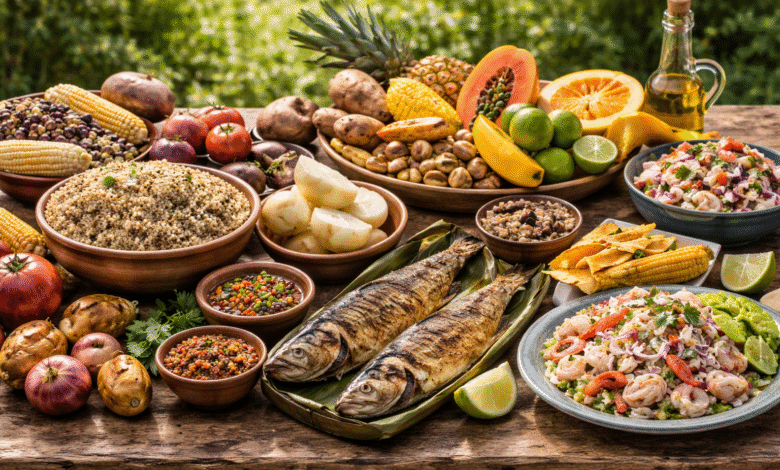
The Andean diet centres on tubers, grains, and legumes. Potatoes, often eaten with their skins, provide potassium, fibre, and vitamin C. Quinoa, a seed rather than a grain, supplies complete protein along with magnesium and iron. Beans and lentils appear frequently, often cooked slowly with herbs rather than fats. Meat exists, but it is rarely the main component. When used, it adds flavour and protein rather than dominating the plate.
This structure supports stable blood sugar and steady digestion. Meals are filling without being heavy. Fermented foods, such as chicha made from maize, introduce beneficial bacteria and improve nutrient absorption. The absence of refined sugars and processed oils keeps inflammation low. Over time, this pattern supports joint health, cardiovascular function, and metabolic balance.
Why Andean Food Ages Well With the Body
One of the strongest indicators of dietary health is how it supports people as they age. The Andean food system performs well here. High fibre intake supports gut health and cholesterol control. Mineral-rich foods help maintain bone density. Protein is present but balanced, reducing strain on kidneys and digestion.
Another important factor is portion logic. Meals are substantial but not excessive. Eating is structured around work cycles rather than constant snacking. This rhythm allows insulin levels to rise and fall naturally. The result is a diet that supports endurance rather than short bursts of energy.
From a health perspective, the Andean model stands out not because it excludes foods, but because it prioritises the right ones consistently.
Amazonian Diets, Health Through Diversity
In the Amazon basin, food follows a different logic. Rather than relying on a few staples, communities eat from a wide range of plants, roots, fruits, and fish. This diversity plays a central role in health.
In regions of Brazil and Colombia, daily meals often include cassava, plantains, river fish, nuts, and seasonal fruits. Cassava provides carbohydrates but also requires careful preparation, which reduces toxins and improves digestibility. Fish supplies omega-3 fats and high-quality protein. Nuts and seeds add healthy fats and trace minerals.
This constant rotation of ingredients feeds a diverse gut microbiome. A varied microbiome supports immune function, reduces inflammation, and improves nutrient absorption. Instead of focusing on portion control, Amazonian diets rely on natural limits created by food availability and preparation time.
The Role of Minimal Processing in Amazonian Health
Another strength of Amazonian food systems is the lack of industrial processing. Foods are eaten close to their natural state. Sugars come from fruit rather than refined sources. Oils are used sparingly. Cooking methods involve boiling, roasting, or grilling rather than frying.
This simplicity reduces calorie density while maintaining nutrient intake. It also lowers exposure to additives and preservatives. While modernisation has introduced packaged foods into some areas, traditional Amazonian diets remain among the most nutritionally diverse in the region.
Coastal Diets, Freshness as a Health Strategy
Along the coasts of Latin America, food traditions revolve around the sea. In countries such as Mexico, Ecuador, and Chile, fish and seafood appear frequently in everyday meals.
The health advantage here lies in freshness and restraint. Fish is often prepared simply, with citrus, herbs, and light seasoning. Ceviche is a common example, where acidity cooks the fish without heat, preserving nutrients while reducing the need for fats. Side dishes tend to include vegetables, maize, or legumes rather than refined starches.
These diets support heart health through omega-3 intake and low saturated fat. They also encourage mindful eating, as meals depend on daily catches rather than long storage.
The Difference Between Home Cooking and Restaurant Versions
It is important to separate traditional home cooking from commercial adaptations. Coastal dishes served in tourist areas often include added oils, sugars, or oversized portions. At home, meals are lighter and more balanced.
This distinction appears across Latin America. A dish that supports health in its original context can become less beneficial when altered for convenience or profit. Even seating arrangements matter. In many local eateries, meals are eaten slowly, often in simple settings with shared tables or modest restaurant booths, encouraging conversation and pacing rather than rushed consumption.
Central American Balance, Beans, Maize, and Moderation
In parts of Central America, particularly in rural areas, diets combine elements of Andean and coastal patterns. Beans and maize form the base of many meals. These foods provide fibre, plant protein, and slow-release carbohydrates.
When paired with vegetables and small amounts of animal protein, this combination supports stable energy levels. The key factor is preparation. Traditional methods involve soaking beans, grinding maize, and cooking from scratch. These steps improve digestibility and nutrient availability.
Problems arise when refined flours and processed fats replace traditional ingredients. Where traditional practices remain, health outcomes tend to be stronger.
Where Tradition Becomes a Health Risk
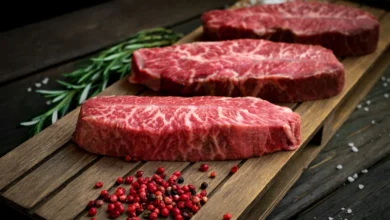
Not all traditional foods remain healthy under modern conditions. In parts of the Southern Cone, particularly in Argentina and Uruguay, diets emphasise large portions of red meat. While meat quality is often high, frequency and portion size can create imbalance.
Historically, meat consumption matched physical labour levels. As lifestyles became more sedentary, intake often remained the same. This shift increases cardiovascular risk and places strain on digestion when not balanced with sufficient vegetables and fibre.
Similarly, festive foods across Latin America often include sugars, refined flours, and fried elements. These foods were never meant for daily consumption. Health declines when celebration dishes become routine meals.
Sugar, Oils, and Urban Influence
Urbanisation introduced new challenges. Refined sugar, vegetable oils, and packaged snacks entered diets rapidly. These ingredients increase calorie density without providing satiety or micronutrients.
The healthiest regions are those that resisted or moderated this shift. Where traditional staples remain central and processed foods play a minor role, health outcomes are consistently better.
So Which Food Is the Most Healthy
If the question demands a clear answer, the Andean food system stands out as the most consistently healthy across Latin America. Its emphasis on whole foods, slow energy, plant-based staples, and moderate protein supports long-term health across multiple measures.
Amazonian diets follow closely, particularly for gut health and immune resilience, thanks to their diversity. Coastal diets excel in heart health when traditional preparation methods are preserved.
What unites these patterns is not a specific ingredient but a shared logic. Food is eaten close to its source. Processing is minimal. Meals are structured, not constant. Protein supports rather than dominates. Vegetables, grains, and legumes form the foundation.
Lessons Beyond Latin America
The value of these food systems lies in their principles rather than their recipes. Adopting their approach does not require exotic ingredients. It requires prioritising whole foods, reducing refinement, and respecting meal rhythms.
Health in Latin America’s best diets emerges from consistency rather than perfection. People eat well most of the time and accept variation without guilt. This balance supports both physical health and a sustainable relationship with food.
In this sense, the healthiest food in Latin America is not defined by borders. It is defined by how closely a diet stays connected to land, labour, and daily life.